
-
Table of Contents
The marine industry is increasingly embracing advanced fiber reinforcements to enhance the performance, durability, and sustainability of vessels. These innovative materials, including carbon and glass fibers, offer significant advantages over traditional materials, such as reduced weight, improved strength, and resistance to corrosion. As the demand for more efficient and environmentally friendly solutions grows, manufacturers are integrating these advanced composites into various applications, from hull construction to interior components. This shift not only optimizes fuel efficiency and operational longevity but also aligns with the industry’s commitment to reducing its environmental footprint. The adoption of advanced fiber reinforcements marks a pivotal evolution in marine engineering, driving the sector towards a more resilient and sustainable future.
Innovations in Fiber Reinforcements for Marine Applications
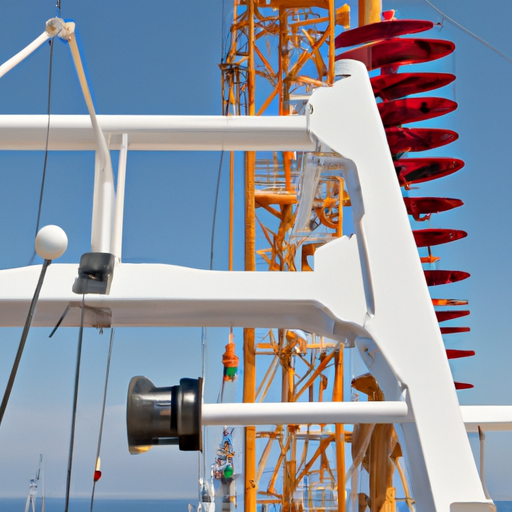
The marine industry is undergoing a significant transformation as it increasingly adopts advanced fiber reinforcements, a shift that promises to enhance the performance, durability, and sustainability of vessels. As the demand for more efficient and environmentally friendly solutions grows, manufacturers are turning to innovative materials that not only meet these needs but also push the boundaries of traditional marine construction. This evolution is largely driven by the need for lighter, stronger, and more resilient materials that can withstand the harsh conditions of marine environments.
One of the most notable advancements in fiber reinforcements is the development of high-performance composites, which combine fibers such as carbon, aramid, and glass with resin systems. These composites offer superior strength-to-weight ratios compared to conventional materials like steel and aluminum, allowing for the construction of lighter vessels that consume less fuel and produce fewer emissions. As a result, shipbuilders are increasingly incorporating these advanced materials into their designs, leading to a new generation of vessels that are not only faster but also more energy-efficient.
Moreover, the integration of fiber reinforcements is not limited to the hulls of ships. Innovations in the use of these materials extend to various components, including decks, masts, and even interior fittings. For instance, the use of carbon fiber in masts has revolutionized sailing vessels, providing increased stiffness and reduced weight, which translates to improved performance on the water. This trend is further supported by advancements in manufacturing techniques, such as automated fiber placement and 3D printing, which allow for more precise and efficient production processes.
In addition to performance benefits, the adoption of advanced fiber reinforcements also addresses the growing concern for sustainability within the marine industry. Traditional materials often require significant energy to produce and can have detrimental environmental impacts. In contrast, many modern fiber-reinforced composites are designed to be more eco-friendly, with some manufacturers exploring bio-based resins and recyclable fibers. This shift not only aligns with global sustainability goals but also appeals to a market increasingly focused on reducing its carbon footprint.
As the marine industry embraces these innovations, it is essential to consider the challenges that accompany the transition to advanced fiber reinforcements. While the benefits are clear, the initial costs associated with these materials can be higher than traditional options. However, industry experts argue that the long-term savings in fuel efficiency, maintenance, and lifecycle performance can offset these upfront investments. Furthermore, as technology continues to advance and production methods become more streamlined, the cost of fiber-reinforced composites is expected to decrease, making them more accessible to a broader range of marine applications.
In conclusion, the marine industry’s adoption of advanced fiber reinforcements marks a pivotal moment in its evolution. By leveraging the unique properties of high-performance composites, manufacturers are not only enhancing the capabilities of vessels but also addressing critical environmental concerns. As this trend continues to gain momentum, it is likely that we will see even more innovative applications of fiber reinforcements, ultimately leading to a more sustainable and efficient marine sector. The future of marine construction is undoubtedly intertwined with these advancements, promising a new era of performance and responsibility on the water.
Benefits of Advanced Fiber Materials in Shipbuilding
The marine industry is undergoing a significant transformation as advanced fiber reinforcements gain traction in shipbuilding. These innovative materials, which include carbon fiber, aramid fiber, and glass fiber composites, are revolutionizing the way vessels are designed and constructed. The benefits of these advanced fiber materials are manifold, impacting everything from structural integrity to fuel efficiency, and they are poised to redefine industry standards.
One of the most compelling advantages of advanced fiber materials is their exceptional strength-to-weight ratio. Unlike traditional materials such as steel and aluminum, which can be heavy and cumbersome, fiber-reinforced composites offer a lightweight alternative without compromising structural integrity. This reduction in weight is particularly crucial in the marine sector, where every kilogram counts. Lighter vessels not only enhance speed and maneuverability but also improve fuel efficiency, leading to significant cost savings over the lifespan of the ship. As fuel prices continue to fluctuate, the economic implications of adopting lighter materials become increasingly attractive to shipbuilders and operators alike.
Moreover, advanced fiber materials exhibit remarkable resistance to corrosion and environmental degradation. In a marine environment, vessels are constantly exposed to saltwater, humidity, and other corrosive elements that can compromise the longevity of traditional materials. By utilizing fiber-reinforced composites, shipbuilders can significantly extend the lifespan of their vessels, reducing maintenance costs and downtime. This durability is particularly beneficial for commercial shipping companies, which rely on their fleets to operate efficiently and profitably. As a result, the adoption of advanced fiber materials not only enhances the performance of individual vessels but also contributes to the overall sustainability of the marine industry.
In addition to their physical properties, advanced fiber materials also offer design flexibility that is unmatched by traditional materials. Shipbuilders can mold these composites into complex shapes and structures, allowing for innovative designs that improve hydrodynamics and overall performance. This design freedom enables engineers to create vessels that are not only functional but also aesthetically pleasing, appealing to a market that increasingly values both form and function. As the industry moves towards more customized solutions, the ability to leverage advanced fiber materials will be a key differentiator for shipbuilders looking to stay competitive.
Furthermore, the integration of advanced fiber reinforcements aligns with the marine industry’s growing emphasis on sustainability. As environmental regulations become more stringent, shipbuilders are under pressure to reduce emissions and minimize their ecological footprint. Advanced fiber materials contribute to this goal by enabling the construction of lighter, more fuel-efficient vessels that consume less energy and produce fewer greenhouse gases. This shift towards sustainable practices is not just a regulatory requirement; it is also a market demand, as consumers and stakeholders increasingly prioritize environmentally responsible choices.
In conclusion, the adoption of advanced fiber reinforcements in shipbuilding presents a multitude of benefits that are reshaping the marine industry. From enhanced strength and durability to improved fuel efficiency and design flexibility, these materials are setting new benchmarks for performance and sustainability. As shipbuilders continue to explore the potential of advanced fiber composites, it is clear that the future of marine construction will be defined by innovation and a commitment to environmental stewardship. The transition to these advanced materials is not merely a trend; it is a necessary evolution that will ensure the industry remains resilient and competitive in an ever-changing global landscape.
Sustainability in the Marine Industry Through Fiber Reinforcement Technologies
The marine industry is undergoing a significant transformation as it increasingly embraces advanced fiber reinforcement technologies, a shift that not only enhances performance but also promotes sustainability. As environmental concerns mount and regulatory pressures intensify, the adoption of innovative materials is becoming essential for shipbuilders and manufacturers. Fiber reinforcements, particularly those derived from sustainable sources, are at the forefront of this evolution, offering a promising solution to the industry’s pressing challenges.
One of the most notable advancements in this area is the use of natural fibers, such as flax, hemp, and jute, which are gaining traction as alternatives to traditional synthetic materials. These natural fibers are not only renewable but also biodegradable, significantly reducing the environmental footprint of marine vessels. By integrating these materials into composite structures, manufacturers can create lighter, stronger, and more durable products while simultaneously decreasing reliance on petroleum-based resources. This shift is particularly important in an industry that has historically been associated with high emissions and waste.
Moreover, the incorporation of advanced fiber reinforcements is proving to be a game-changer in terms of energy efficiency. Lighter vessels require less fuel to operate, which translates to lower greenhouse gas emissions during their lifecycle. As shipowners and operators seek to comply with stringent international regulations aimed at reducing carbon footprints, the benefits of using fiber-reinforced composites become increasingly apparent. The International Maritime Organization (IMO) has set ambitious targets for reducing emissions, and the marine industry is responding by exploring innovative materials that align with these goals.
In addition to natural fibers, the development of high-performance synthetic fibers, such as carbon and aramid, is also contributing to sustainability efforts. These materials offer exceptional strength-to-weight ratios and durability, making them ideal for high-stress applications in marine environments. While synthetic fibers have traditionally been criticized for their environmental impact, advancements in recycling technologies are beginning to mitigate these concerns. Manufacturers are now exploring ways to recycle and repurpose composite materials, thereby reducing waste and promoting a circular economy within the marine sector.
Furthermore, the integration of fiber reinforcement technologies is not limited to new builds; it is also being applied to retrofitting existing vessels. By reinforcing critical components with advanced materials, shipowners can extend the lifespan of their fleets while enhancing performance and safety. This approach not only conserves resources but also minimizes the need for new construction, aligning with the industry’s sustainability objectives.
As the marine industry continues to evolve, collaboration among stakeholders will be crucial in driving the adoption of fiber reinforcement technologies. Research institutions, manufacturers, and regulatory bodies must work together to establish standards and best practices that promote the use of sustainable materials. By fostering innovation and sharing knowledge, the industry can accelerate the transition toward more sustainable practices.
In conclusion, the adoption of advanced fiber reinforcement technologies represents a pivotal moment for the marine industry as it seeks to balance performance with sustainability. By leveraging natural and high-performance synthetic fibers, the sector is not only enhancing the efficiency and durability of its vessels but also taking significant strides toward reducing its environmental impact. As the industry navigates the complexities of sustainability, the commitment to innovative materials will undoubtedly play a critical role in shaping a more responsible and resilient future for marine transportation.The adoption of advanced fiber reinforcements in the marine industry signifies a transformative shift towards enhanced performance, durability, and sustainability in vessel construction. These materials offer superior strength-to-weight ratios, corrosion resistance, and design flexibility, leading to improved fuel efficiency and reduced environmental impact. As the industry continues to embrace these innovations, it is poised to achieve greater operational efficiencies and meet the increasing demands for eco-friendly solutions, ultimately shaping the future of marine engineering and design.






Add comment