

-
Table of Contents
The sports industry is experiencing a significant transformation with the increasing adoption of high-performance fibers in athletic gear and equipment. These advanced materials, known for their lightweight, durability, and moisture-wicking properties, are revolutionizing the way athletes train and compete. From apparel to footwear and equipment, high-performance fibers enhance performance, provide greater comfort, and improve overall athletic outcomes. As technology continues to evolve, the integration of these innovative materials is not only elevating the standards of sports performance but also driving sustainability initiatives within the industry, making it a pivotal area of growth and development.
Innovations in High-Performance Fibers for Athletic Apparel
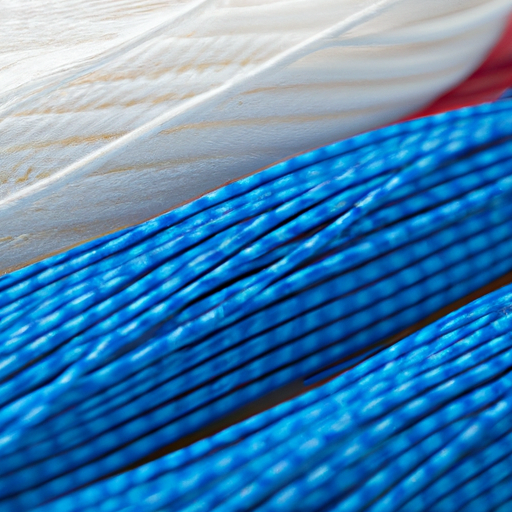
The sports industry is witnessing a remarkable transformation, driven by innovations in high-performance fibers that are revolutionizing athletic apparel. As athletes push the boundaries of human performance, the demand for clothing that enhances their capabilities has never been greater. This surge in interest has prompted manufacturers to invest heavily in research and development, leading to the creation of advanced materials that offer unparalleled benefits in terms of comfort, durability, and functionality.
One of the most significant advancements in this field is the development of moisture-wicking fabrics. These high-performance fibers are engineered to draw sweat away from the skin, allowing for quicker evaporation and keeping athletes dry during intense physical activity. This technology not only enhances comfort but also helps regulate body temperature, which is crucial for maintaining peak performance. As a result, athletes can focus on their training and competition without the distraction of discomfort caused by damp clothing.
Moreover, the integration of lightweight materials has become a game-changer in athletic apparel. Traditional fabrics often weighed athletes down, hindering their movement and agility. However, innovations in high-performance fibers have led to the creation of ultra-lightweight materials that provide the necessary support without compromising freedom of movement. This shift has been particularly beneficial in sports such as running and cycling, where every ounce counts. Athletes are now able to wear clothing that feels almost weightless, allowing them to perform at their best.
In addition to moisture management and lightweight properties, high-performance fibers are also being designed for enhanced durability. Athletes often subject their gear to extreme conditions, from rigorous training sessions to competitive events. As such, the need for fabrics that can withstand wear and tear is paramount. Manufacturers are now utilizing advanced weaving techniques and innovative fiber blends to create materials that resist abrasion and maintain their integrity over time. This not only extends the lifespan of athletic apparel but also provides athletes with the confidence that their gear can keep up with their demanding lifestyles.
Furthermore, the rise of sustainability in the sports industry has prompted a shift towards eco-friendly high-performance fibers. As consumers become increasingly aware of environmental issues, brands are responding by developing materials made from recycled plastics and organic fibers. These sustainable options not only reduce the environmental impact of athletic apparel production but also offer the same high-performance benefits that athletes expect. This dual focus on performance and sustainability is reshaping the landscape of athletic apparel, appealing to a new generation of environmentally conscious consumers.
As technology continues to evolve, the future of high-performance fibers in athletic apparel looks promising. Innovations such as smart textiles, which can monitor biometric data and adjust to the wearer’s needs, are on the horizon. These advancements could further enhance athletic performance by providing real-time feedback and support. Additionally, collaborations between textile engineers and sports scientists are likely to yield even more breakthroughs, ensuring that athletes have access to the best possible gear.
In conclusion, the expansion of high-performance fibers in the sports industry is not merely a trend; it represents a fundamental shift in how athletic apparel is designed and manufactured. With a focus on moisture management, lightweight construction, durability, and sustainability, these innovations are empowering athletes to reach new heights. As the industry continues to evolve, it is clear that high-performance fibers will play a pivotal role in shaping the future of sports apparel, ultimately enhancing the athletic experience for competitors and enthusiasts alike.
The Role of High-Performance Fibers in Enhancing Sports Equipment
In recent years, the sports industry has witnessed a remarkable transformation, largely driven by advancements in technology and materials science. Among these innovations, high-performance fibers have emerged as a game-changer, significantly enhancing the quality and functionality of sports equipment. These specialized materials, known for their strength, durability, and lightweight properties, are now integral to a wide array of sporting goods, from apparel to equipment, fundamentally altering the landscape of athletic performance.
High-performance fibers, such as Kevlar, Dyneema, and carbon fiber, are engineered to withstand extreme conditions while maintaining their structural integrity. This resilience is particularly crucial in high-impact sports, where equipment must endure significant stress and strain. For instance, in the realm of cycling, the integration of carbon fiber into bike frames has revolutionized the industry. Cyclists benefit from lighter, stiffer frames that enhance speed and maneuverability, allowing athletes to achieve peak performance without the burden of excess weight. As a result, competitive cyclists are now able to push their limits further than ever before, thanks to the advantages provided by these advanced materials.
Moreover, the application of high-performance fibers extends beyond cycling. In the world of team sports, such as football and basketball, the use of these materials in protective gear has become increasingly prevalent. Helmets, pads, and other protective equipment made from high-performance fibers offer superior impact resistance, ensuring athletes are better protected against injuries. This not only enhances player safety but also allows athletes to perform with greater confidence, knowing they are equipped with gear that can withstand the rigors of the game.
Transitioning to the realm of athletic apparel, high-performance fibers have also made significant inroads. Fabrics engineered with moisture-wicking properties, breathability, and stretchability are now commonplace in sportswear. These innovations allow athletes to maintain optimal body temperature and comfort during intense physical activity. For example, running shirts made from high-performance fibers can effectively manage sweat, reducing chafing and discomfort, which ultimately leads to improved performance. As athletes increasingly prioritize comfort and functionality, the demand for such advanced materials continues to grow.
Furthermore, the sustainability aspect of high-performance fibers cannot be overlooked. As environmental concerns gain prominence, manufacturers are exploring eco-friendly alternatives that do not compromise on performance. Innovations in bio-based fibers and recycled materials are beginning to emerge, offering athletes high-quality equipment while minimizing environmental impact. This shift not only aligns with the values of a growing number of consumers but also positions brands as leaders in sustainability within the competitive sports market.
In conclusion, the role of high-performance fibers in enhancing sports equipment is undeniable. These materials have redefined what is possible in terms of performance, safety, and comfort across various sports. As technology continues to evolve, it is likely that we will see even more innovative applications of high-performance fibers, further pushing the boundaries of athletic achievement. The sports industry is on the cusp of a new era, one where the fusion of advanced materials and human potential creates unprecedented opportunities for athletes to excel. As this trend continues to unfold, it will be fascinating to observe how high-performance fibers shape the future of sports equipment and, ultimately, the athletes who rely on them.
Sustainability Trends in High-Performance Fiber Production for Sports
The sports industry is undergoing a significant transformation as it increasingly embraces sustainability trends in the production of high-performance fibers. As athletes and consumers alike become more environmentally conscious, manufacturers are responding by innovating materials that not only enhance performance but also minimize ecological impact. This shift is not merely a trend; it represents a fundamental change in how sports apparel and equipment are designed, produced, and marketed.
One of the most notable advancements in this area is the development of fibers made from recycled materials. Brands are now sourcing plastic waste, such as discarded bottles and fishing nets, to create high-performance fabrics. This not only reduces the amount of waste in landfills and oceans but also decreases the reliance on virgin materials, which often require significant energy and resources to produce. For instance, companies like Patagonia and Adidas have pioneered the use of recycled polyester in their products, demonstrating that sustainability and performance can coexist. By integrating these recycled fibers, they are not only appealing to eco-conscious consumers but also setting a standard for the industry.
Moreover, the production processes for these high-performance fibers are evolving to become more sustainable. Traditional methods often involve harmful chemicals and significant water usage, but innovative techniques are emerging that prioritize environmental stewardship. For example, some manufacturers are adopting closed-loop systems that recycle water and reduce chemical waste. This not only lessens the environmental footprint of fiber production but also enhances the overall quality of the materials, resulting in fabrics that are not only durable but also safe for both athletes and the planet.
In addition to recycled materials and improved production methods, there is a growing emphasis on bio-based fibers. These materials, derived from renewable resources such as corn or sugarcane, offer a promising alternative to petroleum-based fibers. Companies are investing in research to develop bio-based options that can match or even exceed the performance characteristics of traditional fibers. This innovation is crucial as it aligns with the broader goals of reducing carbon emissions and promoting a circular economy within the sports industry.
As sustainability becomes a core value for many brands, transparency in sourcing and production is also gaining traction. Consumers are increasingly demanding to know where their products come from and how they are made. In response, companies are adopting more transparent supply chains, providing detailed information about the materials used and the environmental impact of their production processes. This shift not only builds trust with consumers but also encourages other brands to follow suit, creating a ripple effect throughout the industry.
Furthermore, the collaboration between brands, researchers, and environmental organizations is fostering a culture of innovation in high-performance fiber production. By working together, these stakeholders are able to share knowledge, resources, and best practices, accelerating the development of sustainable materials. This collaborative approach is essential for addressing the complex challenges of sustainability in the sports industry, as it allows for the pooling of expertise and the creation of solutions that benefit all parties involved.
In conclusion, the sports industry’s expansion of high-performance fibers is increasingly intertwined with sustainability trends. As manufacturers prioritize recycled materials, adopt eco-friendly production methods, and explore bio-based alternatives, they are not only enhancing the performance of their products but also contributing to a more sustainable future. This evolution reflects a broader societal shift towards environmental responsibility, positioning the sports industry as a leader in the movement towards a greener economy. As these trends continue to develop, the potential for innovation and positive impact remains vast, promising a future where performance and sustainability go hand in hand.The expansion of high-performance fibers in the sports industry signifies a transformative shift towards enhanced athletic performance, durability, and sustainability. These advanced materials not only improve the functionality of sports apparel and equipment but also cater to the growing consumer demand for innovative and eco-friendly products. As technology continues to evolve, the integration of high-performance fibers will likely lead to further advancements in sports gear, ultimately benefiting athletes and consumers alike while driving growth in the industry.






Add comment