
-
Table of Contents
The impact of 3D printing on composite manufacturing has been transformative, revolutionizing traditional production methods and enabling the creation of complex geometries that were previously unattainable. By integrating additive manufacturing techniques with composite materials, industries can achieve significant weight reductions, enhanced performance, and tailored properties for specific applications. This synergy not only accelerates the design and prototyping phases but also allows for greater customization and efficiency in production processes. As a result, sectors such as aerospace, automotive, and healthcare are increasingly adopting 3D printing technologies to optimize their composite manufacturing capabilities, leading to innovative solutions and competitive advantages in the market.
Advancements in Composite Materials Through 3D Printing
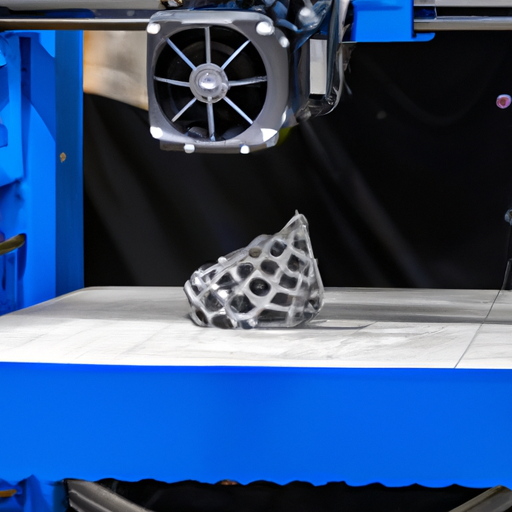
The advent of 3D printing has revolutionized various industries, and composite manufacturing is no exception. As the demand for lightweight, high-strength materials continues to grow, the integration of 3D printing technology into the production of composite materials has opened new avenues for innovation and efficiency. This transformation is not merely a trend; it represents a significant shift in how manufacturers approach design, production, and sustainability.
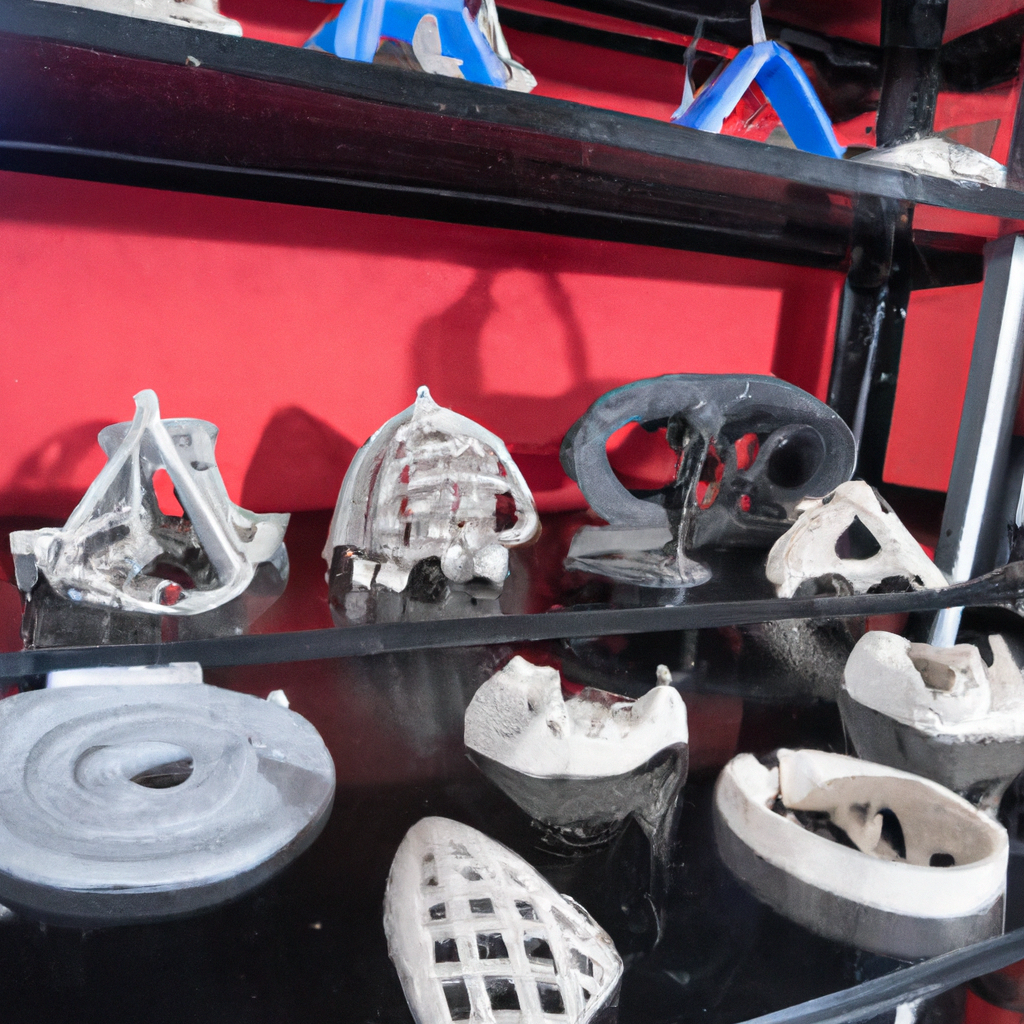
One of the most notable advancements in composite materials through 3D printing is the ability to create complex geometries that were previously unattainable with traditional manufacturing methods. Conventional techniques often limit designers to simpler shapes due to constraints in tooling and fabrication processes. However, 3D printing allows for the production of intricate structures that can optimize material usage and enhance performance. For instance, lattice structures can be designed to provide strength while minimizing weight, making them ideal for applications in aerospace and automotive industries where every gram counts.
Moreover, the versatility of 3D printing enables the use of a wide range of composite materials, including thermoplastics reinforced with carbon or glass fibers. This flexibility allows manufacturers to tailor the properties of the final product to meet specific requirements, such as increased durability or improved thermal resistance. As a result, companies can produce components that not only meet stringent performance standards but also offer significant cost savings in terms of material waste and energy consumption.
In addition to enhancing material properties, 3D printing has also streamlined the production process itself. Traditional composite manufacturing often involves multiple steps, including layup, curing, and machining, which can be time-consuming and labor-intensive. In contrast, 3D printing consolidates these processes into a single operation, significantly reducing lead times. This efficiency is particularly beneficial in industries where rapid prototyping and quick turnaround times are essential. For example, in the aerospace sector, the ability to quickly produce and test new designs can accelerate the development of next-generation aircraft.
Furthermore, the environmental impact of composite manufacturing is being addressed through 3D printing technologies. Traditional methods often generate substantial waste, as excess material is trimmed away during the production process. However, additive manufacturing builds components layer by layer, which minimizes waste and promotes a more sustainable approach to production. Additionally, the potential for recycling and reusing materials in 3D printing further enhances its eco-friendliness, aligning with the growing emphasis on sustainability in manufacturing practices.
As the technology continues to evolve, researchers and engineers are exploring new composite formulations specifically designed for 3D printing. Innovations such as bio-based composites and advanced thermosetting resins are being developed to expand the capabilities of additive manufacturing. These advancements not only promise to improve the performance of 3D-printed composites but also contribute to a more sustainable future by reducing reliance on fossil fuels and harmful chemicals.
In conclusion, the impact of 3D printing on composite manufacturing is profound and multifaceted. By enabling the creation of complex geometries, enhancing material properties, streamlining production processes, and promoting sustainability, 3D printing is reshaping the landscape of composite materials. As this technology continues to advance, it is poised to unlock even greater potential, driving innovation and efficiency across various industries. The future of composite manufacturing is not just about new materials; it is about reimagining what is possible in design and production, paving the way for a new era of manufacturing excellence.
Cost Efficiency of 3D Printed Composites in Manufacturing
The advent of 3D printing technology has revolutionized various sectors, and composite manufacturing is no exception. As industries increasingly seek cost-effective solutions without compromising quality, 3D printed composites have emerged as a game-changer. This innovative approach not only streamlines production processes but also significantly reduces costs associated with traditional manufacturing methods. By leveraging the unique capabilities of additive manufacturing, companies can achieve remarkable efficiencies that were previously unattainable.
One of the most compelling advantages of 3D printed composites is the reduction in material waste. Traditional manufacturing techniques, such as subtractive machining, often involve cutting away excess material, leading to substantial waste. In contrast, 3D printing builds objects layer by layer, using only the necessary amount of material. This not only conserves resources but also translates into lower material costs. As manufacturers increasingly prioritize sustainability, the ability to minimize waste through 3D printing aligns perfectly with their goals, making it an attractive option for companies looking to enhance their environmental credentials while also saving money.
Moreover, the flexibility of 3D printing allows for rapid prototyping and design iteration, which can significantly reduce development costs. In traditional manufacturing, creating prototypes often requires expensive molds and tooling, which can take weeks or even months to produce. However, with 3D printing, companies can quickly produce prototypes in-house, enabling them to test and refine designs in real-time. This agility not only accelerates the product development cycle but also reduces the financial burden associated with lengthy design processes. As a result, businesses can bring products to market faster, gaining a competitive edge while simultaneously lowering their overall manufacturing costs.
In addition to reducing waste and expediting prototyping, 3D printing facilitates the production of complex geometries that would be difficult or impossible to achieve with traditional methods. This capability allows manufacturers to create lightweight structures that maintain strength and durability, which is particularly beneficial in industries such as aerospace and automotive. By optimizing designs for weight reduction, companies can enhance fuel efficiency and performance, leading to further cost savings over the product’s lifecycle. Consequently, the ability to produce intricate designs not only improves product functionality but also contributes to a more cost-effective manufacturing process.
Furthermore, the scalability of 3D printing technology plays a crucial role in its cost efficiency. As demand for customized products continues to rise, traditional manufacturing methods often struggle to keep pace without incurring significant costs. However, 3D printing can easily adapt to varying production volumes, allowing manufacturers to produce small batches or large quantities without the need for extensive retooling. This adaptability not only reduces overhead costs but also enables companies to respond swiftly to market demands, ensuring they remain competitive in an ever-evolving landscape.
In conclusion, the impact of 3D printing on composite manufacturing is profound, particularly in terms of cost efficiency. By minimizing material waste, expediting prototyping, enabling complex designs, and offering scalability, 3D printed composites present a compelling alternative to traditional manufacturing methods. As industries continue to embrace this technology, the potential for cost savings and enhanced productivity will likely drive further innovation and adoption. Ultimately, the integration of 3D printing into composite manufacturing not only represents a shift in how products are made but also signifies a broader transformation in the manufacturing landscape, paving the way for a more efficient and sustainable future.
Sustainability Benefits of 3D Printing in Composite Production
The advent of 3D printing technology has ushered in a new era for composite manufacturing, particularly in terms of sustainability. As industries increasingly grapple with the pressing need to reduce their environmental footprint, 3D printing emerges as a transformative solution that not only enhances production efficiency but also aligns with sustainable practices. This innovative approach to manufacturing offers a myriad of benefits that contribute to a more eco-friendly future.
One of the most significant advantages of 3D printing in composite production is its ability to minimize material waste. Traditional manufacturing methods often involve subtractive processes, where excess material is cut away to create the final product. This can lead to substantial waste, particularly in industries that utilize expensive composite materials. In contrast, 3D printing is an additive process, meaning that materials are deposited layer by layer to build the desired object. This method drastically reduces waste, as only the necessary amount of material is used, thereby conserving resources and lowering costs.
Moreover, the precision of 3D printing allows for the creation of complex geometries that would be difficult or impossible to achieve with conventional techniques. This capability not only enhances the performance of composite components but also enables the design of lighter structures. Lighter components contribute to energy efficiency, particularly in sectors such as aerospace and automotive, where weight reduction can lead to significant fuel savings. As a result, the environmental impact of these industries is further diminished, showcasing how 3D printing can drive sustainability through innovative design.
In addition to reducing waste and enhancing efficiency, 3D printing facilitates localized production. Traditionally, composite manufacturing often involves extensive supply chains that contribute to carbon emissions through transportation. However, with 3D printing, manufacturers can produce components on-site or closer to the end-user. This localization not only reduces transportation-related emissions but also allows for quicker response times to market demands. Consequently, companies can adapt more swiftly to changes in consumer preferences while minimizing their carbon footprint.
Furthermore, the ability to recycle materials in 3D printing processes adds another layer of sustainability. Many composite materials can be reprocessed and reused, which aligns with the principles of a circular economy. By integrating recycled materials into the production process, manufacturers can further reduce their reliance on virgin resources, thereby conserving natural materials and decreasing environmental degradation. This shift towards recycling not only supports sustainability but also fosters innovation as companies explore new ways to incorporate recycled composites into their products.
As industries continue to prioritize sustainability, the role of 3D printing in composite manufacturing is likely to expand. The technology not only addresses immediate environmental concerns but also encourages a broader cultural shift towards responsible production practices. By embracing 3D printing, manufacturers can lead the charge in developing sustainable solutions that benefit both the planet and their bottom line.
In conclusion, the sustainability benefits of 3D printing in composite production are profound and multifaceted. From reducing material waste and enabling innovative designs to promoting localized manufacturing and recycling, this technology is reshaping the landscape of composite manufacturing. As the world moves towards a more sustainable future, 3D printing stands out as a pivotal force, driving change and fostering a more responsible approach to production. The implications of this shift are not only significant for manufacturers but also for the environment, making 3D printing a crucial component in the quest for sustainability in composite manufacturing.The impact of 3D printing on composite manufacturing is profound, enabling the production of complex geometries, reducing material waste, and allowing for rapid prototyping and customization. This technology enhances design flexibility, accelerates the development process, and can lead to cost savings in both materials and labor. As 3D printing continues to evolve, it is likely to further revolutionize composite manufacturing, making it more efficient and accessible across various industries.




One comment
Francescas clearance sale
Thanks for making this so easy to grasp.