
-
Table of Contents
High-performance fibers play a crucial role in the sports equipment industry, revolutionizing the design and functionality of various athletic gear. These advanced materials, characterized by their exceptional strength, lightweight properties, and durability, enhance the performance and safety of sports equipment. From high-tech apparel that improves moisture management and breathability to composite materials used in equipment like tennis rackets, bicycles, and protective gear, high-performance fibers contribute to improved athlete performance and comfort. As technology continues to evolve, the integration of these fibers into sports equipment is driving innovation, enabling athletes to push their limits while minimizing the risk of injury.
Advancements in High-Performance Fibers for Athletic Apparel
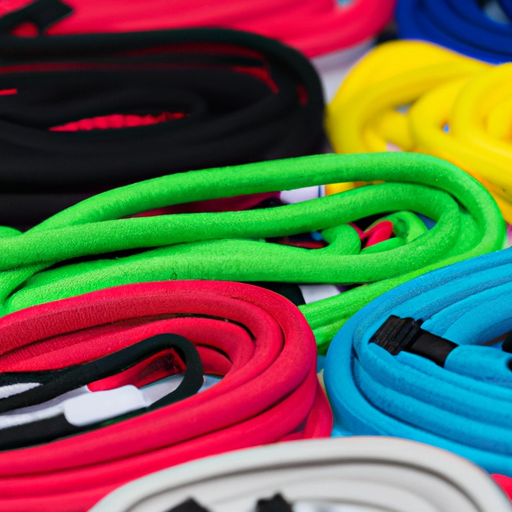
In recent years, the sports equipment industry has witnessed a remarkable transformation, largely driven by advancements in high-performance fibers used in athletic apparel. These innovations have not only enhanced the functionality of sportswear but have also redefined the way athletes train and compete. As the demand for performance-driven clothing continues to rise, manufacturers are increasingly turning to cutting-edge materials that offer superior benefits over traditional fabrics.
One of the most significant developments in this realm is the emergence of synthetic fibers, such as polyester and nylon, which have been engineered to provide exceptional moisture-wicking properties. These materials effectively draw sweat away from the skin, allowing athletes to maintain optimal body temperature during intense physical activity. This is particularly crucial in sports where endurance and comfort are paramount, as overheating can lead to decreased performance and increased risk of injury. Furthermore, advancements in fiber technology have led to the creation of lightweight, breathable fabrics that enhance mobility without compromising durability.
In addition to moisture management, the integration of advanced fibers has also improved the overall fit and feel of athletic apparel. For instance, the introduction of elastane, commonly known as spandex, has revolutionized the way sportswear conforms to the body. This stretchable material allows for a full range of motion, which is essential for athletes engaged in dynamic movements. As a result, garments made with these high-performance fibers not only support athletic performance but also provide a level of comfort that encourages longer training sessions and improved results.
Moreover, the development of smart textiles has further pushed the boundaries of what athletic apparel can achieve. These innovative fabrics are embedded with sensors that monitor various physiological parameters, such as heart rate and body temperature. By providing real-time feedback, smart textiles empower athletes to optimize their training regimens and make informed decisions about their performance. This integration of technology into sportswear represents a significant leap forward, as it allows for a more personalized approach to athletic training.
As sustainability becomes an increasingly pressing concern, the sports equipment industry is also making strides in the development of eco-friendly high-performance fibers. Brands are now exploring the use of recycled materials and bio-based fibers, which not only reduce environmental impact but also maintain the performance characteristics that athletes demand. This shift towards sustainable practices is not merely a trend; it reflects a growing awareness among consumers who are seeking products that align with their values.
In light of these advancements, it is clear that high-performance fibers are reshaping the landscape of athletic apparel. The combination of enhanced moisture management, improved fit, and the integration of smart technology has created a new standard for sportswear that prioritizes both performance and comfort. As manufacturers continue to innovate and refine these materials, athletes can expect even greater benefits in the future. The ongoing research and development in this field promise to unlock new possibilities, ensuring that high-performance fibers will remain at the forefront of the sports equipment industry for years to come.
In conclusion, the evolution of high-performance fibers in athletic apparel is a testament to the relentless pursuit of excellence within the sports equipment industry. As these materials continue to advance, they not only enhance athletic performance but also contribute to a more sustainable future, ultimately benefiting both athletes and the environment. The journey of innovation in this sector is far from over, and the potential for further breakthroughs remains vast, paving the way for a new era in sportswear.
The Role of High-Performance Fibers in Enhancing Sports Equipment Durability
In the ever-evolving landscape of sports equipment, the integration of high-performance fibers has emerged as a game-changer, significantly enhancing the durability and longevity of gear used by athletes across various disciplines. As sports continue to push the boundaries of performance, manufacturers are increasingly turning to advanced materials that not only withstand the rigors of intense physical activity but also contribute to the overall safety and effectiveness of the equipment.
High-performance fibers, such as aramid, carbon, and ultra-high-molecular-weight polyethylene (UHMWPE), are engineered to offer superior strength-to-weight ratios, making them ideal for applications in everything from protective gear to performance apparel. For instance, aramid fibers, known for their exceptional tensile strength and resistance to abrasion, are commonly used in the production of helmets and body armor. These materials provide athletes with the confidence that their protective gear can endure the impacts and stresses associated with high-contact sports, thereby reducing the risk of injury.
Moreover, the incorporation of carbon fibers into sports equipment has revolutionized the design and functionality of items such as bicycles, tennis rackets, and golf clubs. Carbon fiber composites are not only lightweight but also exhibit remarkable stiffness, allowing for enhanced energy transfer during performance. This means that athletes can achieve greater speeds and improved precision without the added burden of heavier materials. As a result, the durability of these products is significantly increased, as they are less prone to deformation and damage over time, even under extreme conditions.
Transitioning from traditional materials to high-performance fibers also addresses the growing demand for sustainability in the sports industry. Many manufacturers are now exploring bio-based fibers and recycled materials that maintain high durability standards while minimizing environmental impact. This shift not only caters to the eco-conscious consumer but also aligns with the broader industry trend towards responsible production practices. By utilizing high-performance fibers derived from sustainable sources, companies can produce equipment that not only lasts longer but also contributes to a reduced carbon footprint.
In addition to enhancing durability, high-performance fibers play a crucial role in improving the overall user experience. For example, moisture-wicking fabrics made from advanced synthetic fibers help regulate body temperature and keep athletes dry during intense workouts. This not only enhances comfort but also allows for better performance, as athletes can focus on their game rather than being distracted by discomfort. Furthermore, the lightweight nature of these materials means that athletes can move more freely, which is essential in sports that require agility and speed.
As the sports equipment industry continues to innovate, the role of high-performance fibers will undoubtedly expand. Research and development efforts are ongoing, with scientists and engineers exploring new fiber technologies that promise even greater durability and performance enhancements. This relentless pursuit of excellence ensures that athletes will benefit from equipment that not only meets but exceeds their expectations.
In conclusion, the integration of high-performance fibers into sports equipment is a testament to the industry’s commitment to enhancing durability and performance. By leveraging advanced materials, manufacturers are not only improving the longevity of their products but also elevating the overall athletic experience. As technology continues to advance, the future of sports equipment looks promising, with high-performance fibers at the forefront of this exciting evolution.
Innovations in High-Performance Fibers for Improved Athlete Performance
In the ever-evolving landscape of sports equipment, high-performance fibers have emerged as a game-changer, significantly enhancing athlete performance across various disciplines. These advanced materials, engineered for durability, flexibility, and moisture management, are revolutionizing how athletes train and compete. As the demand for superior performance intensifies, manufacturers are increasingly turning to innovative fiber technologies that promise to push the boundaries of human capability.
One of the most notable advancements in high-performance fibers is the development of synthetic materials that mimic the properties of natural fibers while offering enhanced benefits. For instance, materials like Kevlar and Dyneema have gained traction due to their exceptional strength-to-weight ratios. These fibers are not only lightweight but also resistant to abrasion and tearing, making them ideal for protective gear such as helmets and pads. As a result, athletes can enjoy greater mobility without compromising safety, allowing them to perform at their peak.
Moreover, moisture-wicking technologies have transformed the way athletes experience comfort during intense physical activity. Traditional cotton fabrics tend to retain sweat, leading to discomfort and distraction. In contrast, high-performance synthetic fibers are designed to draw moisture away from the skin, promoting rapid evaporation. This innovation is particularly beneficial in endurance sports, where maintaining optimal body temperature is crucial for performance. By keeping athletes dry and comfortable, these fibers enable them to focus on their performance rather than their gear.
In addition to moisture management, the integration of smart textiles into sports equipment is paving the way for a new era of performance enhancement. These textiles are embedded with sensors that monitor various physiological parameters, such as heart rate and muscle activity. By providing real-time feedback, athletes can make informed decisions about their training regimens and recovery strategies. This data-driven approach not only optimizes performance but also helps in preventing injuries, as athletes can adjust their efforts based on their body’s responses.
Furthermore, the rise of bio-based fibers is another significant trend in the sports equipment industry. As sustainability becomes a priority for both consumers and manufacturers, the development of eco-friendly materials is gaining momentum. Bio-based fibers, derived from renewable resources, offer a sustainable alternative to traditional petroleum-based materials. These innovations not only reduce the environmental impact of sports equipment production but also appeal to a growing demographic of environmentally conscious athletes.
As we look to the future, the potential for high-performance fibers in sports equipment seems limitless. Researchers are continually exploring new materials and technologies that could further enhance athletic performance. For example, the incorporation of nanotechnology into fiber production is showing promise in creating fabrics that are not only stronger but also possess unique properties, such as self-cleaning capabilities or enhanced thermal regulation. Such advancements could redefine the standards of performance gear, making it more efficient and tailored to the specific needs of athletes.
In conclusion, the innovations in high-performance fibers are reshaping the sports equipment industry, providing athletes with tools that enhance their performance and comfort. From moisture management to smart textiles and sustainable materials, these advancements are not merely incremental improvements; they represent a fundamental shift in how athletes interact with their gear. As technology continues to advance, it is clear that high-performance fibers will play a pivotal role in the future of sports, enabling athletes to reach new heights and redefine what is possible in their respective fields.High-performance fibers have revolutionized the sports equipment industry by enhancing the durability, strength, and lightweight characteristics of various products. These advanced materials, such as aramid, carbon, and ultra-high molecular weight polyethylene, contribute to improved performance and safety in equipment like apparel, footwear, and protective gear. As technology continues to evolve, the integration of high-performance fibers will likely lead to further innovations, enabling athletes to achieve greater levels of performance while minimizing the risk of injury. Overall, the adoption of these materials signifies a significant advancement in the design and functionality of sports equipment, catering to the demands of both professional and recreational athletes.





Add comment