
-
Table of Contents
Fire-resistant composites are advanced materials designed to enhance the safety and durability of buildings by providing superior resistance to fire. These composites typically combine various substances, such as polymers, fibers, and additives, to create a lightweight yet robust solution that can withstand high temperatures and prevent the spread of flames. As urbanization increases and building codes become more stringent, the demand for fire-resistant materials has surged, making these composites essential in construction. Their application not only helps protect lives and property but also contributes to the overall resilience of structures against fire hazards, ensuring safer environments for occupants.
Advances in Fire-Resistant Composite Materials
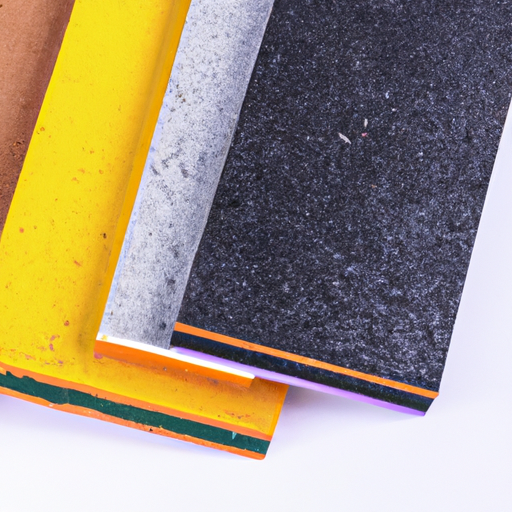
In recent years, the construction industry has witnessed significant advancements in fire-resistant composite materials, a development that promises to enhance safety in buildings and infrastructure. As urbanization accelerates and the demand for innovative building solutions grows, the need for materials that can withstand extreme conditions has never been more pressing. Fire-resistant composites, which combine various materials to create a product that is both lightweight and durable, are at the forefront of this evolution. These materials not only offer improved fire resistance but also contribute to overall structural integrity, making them an attractive option for architects and builders alike.
One of the most notable advancements in this field is the incorporation of advanced polymers and additives that enhance fire resistance without compromising other essential properties. For instance, researchers have developed composites that utilize intumescent materials, which expand when exposed to heat, forming a protective char layer that insulates the underlying structure. This innovative approach not only slows down the spread of flames but also minimizes the release of toxic smoke, a critical factor in fire safety. As a result, buildings constructed with these advanced composites can provide occupants with more time to evacuate in the event of a fire, ultimately saving lives.
Moreover, the integration of nanotechnology into fire-resistant composites has opened new avenues for enhancing their performance. By incorporating nanoparticles, manufacturers can improve the thermal stability and mechanical properties of these materials. This not only increases their resistance to fire but also enhances their overall durability, making them suitable for a wide range of applications, from residential buildings to high-rise commercial structures. The ability to tailor these composites to meet specific fire safety standards further underscores their versatility and effectiveness.
In addition to their fire-resistant properties, these advanced composites are also being designed with sustainability in mind. As the construction industry grapples with the environmental impact of traditional building materials, the development of eco-friendly fire-resistant composites has gained traction. Many of these materials are derived from renewable resources or are recyclable, aligning with the growing emphasis on sustainable building practices. This dual focus on fire safety and environmental responsibility positions fire-resistant composites as a forward-thinking solution for modern construction challenges.
Furthermore, the regulatory landscape surrounding building materials is evolving, with stricter fire safety codes being implemented in many regions. This shift is driving demand for innovative fire-resistant solutions, prompting manufacturers to invest in research and development. As a result, the market for fire-resistant composites is expected to expand significantly in the coming years. Industry stakeholders are increasingly recognizing the importance of adopting these materials not only to comply with regulations but also to enhance the safety and resilience of buildings.
As we look to the future, the potential for fire-resistant composites seems boundless. Ongoing research is likely to yield even more advanced materials that can withstand not only fire but also other environmental challenges, such as moisture and corrosion. The integration of smart technologies into these composites could further revolutionize the industry, allowing for real-time monitoring of structural integrity and fire risk. In conclusion, the advancements in fire-resistant composite materials represent a crucial step toward safer buildings. By prioritizing innovation and sustainability, the construction industry can create environments that not only protect lives but also contribute to a more resilient future. As these materials continue to evolve, they will undoubtedly play a pivotal role in shaping the landscapes of our cities and communities.
Benefits of Using Fire-Resistant Composites in Construction
In the ever-evolving landscape of construction, the integration of fire-resistant composites has emerged as a pivotal advancement, significantly enhancing the safety and durability of buildings. These innovative materials, designed to withstand high temperatures and resist combustion, offer a multitude of benefits that extend beyond mere fire protection. As urban areas continue to grow and the demand for resilient infrastructure increases, the adoption of fire-resistant composites is becoming not just advantageous but essential.
One of the most compelling benefits of using fire-resistant composites is their ability to significantly reduce the risk of fire-related incidents. Traditional building materials, such as wood and certain plastics, are often highly flammable, posing a substantial threat to both life and property. In contrast, fire-resistant composites are engineered to slow down the spread of flames, providing critical time for occupants to evacuate and for emergency services to respond. This enhanced safety feature is particularly vital in high-rise buildings, where escape routes can be limited and evacuation times are crucial.
Moreover, the use of fire-resistant composites can lead to lower insurance premiums for building owners. Insurance companies often assess the risk associated with a property based on its materials and construction methods. By incorporating fire-resistant materials, property owners can demonstrate a commitment to safety, potentially resulting in reduced insurance costs. This financial incentive not only makes fire-resistant composites an economically sound choice but also encourages more builders to prioritize safety in their designs.
In addition to safety and cost benefits, fire-resistant composites contribute to the overall sustainability of construction projects. Many of these materials are designed to be lightweight yet strong, which can lead to reduced energy consumption during transportation and installation. Furthermore, the longevity of fire-resistant composites means that buildings require less frequent repairs and replacements, ultimately minimizing waste and the environmental impact associated with construction activities. As the construction industry increasingly embraces sustainable practices, the role of fire-resistant composites becomes even more significant.
Transitioning from safety and sustainability, it is essential to consider the aesthetic versatility that fire-resistant composites offer. These materials can be manufactured in a variety of finishes, colors, and textures, allowing architects and designers to maintain their creative vision without compromising on safety. This flexibility enables the integration of fire-resistant composites into diverse architectural styles, from modern skyscrapers to traditional homes, ensuring that safety does not come at the expense of visual appeal.
Furthermore, the performance of fire-resistant composites under extreme conditions is another noteworthy advantage. These materials are often tested rigorously to meet stringent fire safety standards, ensuring that they can withstand not only flames but also smoke and toxic fumes. This resilience is crucial in protecting both the structural integrity of buildings and the health of their occupants. As fire safety regulations become increasingly stringent, the reliability of fire-resistant composites positions them as a preferred choice for compliance with modern building codes.
In conclusion, the benefits of using fire-resistant composites in construction are manifold, encompassing enhanced safety, cost savings, sustainability, aesthetic flexibility, and superior performance. As the industry continues to prioritize safety and resilience, the adoption of these innovative materials will likely become a standard practice, paving the way for safer buildings and communities. By embracing fire-resistant composites, builders and architects are not only safeguarding lives but also contributing to a more sustainable and aesthetically pleasing built environment.
Case Studies: Successful Implementation of Fire-Resistant Composites in Building Projects
In recent years, the construction industry has witnessed a significant shift towards the adoption of fire-resistant composites, driven by an increasing awareness of safety and regulatory requirements. This shift is not merely theoretical; numerous case studies illustrate the successful implementation of these innovative materials in various building projects, showcasing their effectiveness in enhancing fire safety while maintaining structural integrity.
One notable example is the use of fire-resistant composites in the construction of the One World Trade Center in New York City. This iconic skyscraper, which stands as a symbol of resilience, incorporates advanced composite materials designed to withstand extreme heat and prevent the spread of fire. The building’s exterior cladding, made from a combination of aluminum and fire-resistant polymers, not only provides aesthetic appeal but also plays a crucial role in protecting the structure from potential fire hazards. The successful integration of these materials has set a new standard for high-rise buildings, demonstrating that safety and design can coexist harmoniously.
Similarly, the use of fire-resistant composites has been pivotal in the renovation of the historic Notre-Dame Cathedral in Paris. Following the devastating fire in 2019, architects and engineers faced the daunting task of restoring the structure while ensuring that it would be better protected against future incidents. By incorporating fire-resistant composite materials into the restoration process, they have enhanced the building’s resilience without compromising its historical integrity. This case exemplifies how modern materials can be utilized to safeguard cultural heritage, ensuring that such landmarks can withstand the test of time and unforeseen disasters.
In the realm of residential construction, the implementation of fire-resistant composites has also proven beneficial. A striking example can be found in the development of the Eco-Home project in California, where builders opted for composite materials that not only resist fire but also offer energy efficiency. The use of these materials has resulted in homes that are not only safer but also more sustainable, reflecting a growing trend towards environmentally conscious building practices. The Eco-Home project has garnered attention for its innovative approach, serving as a model for future residential developments that prioritize both safety and sustainability.
Moreover, the commercial sector has embraced fire-resistant composites with equal enthusiasm. The construction of the Amazon Spheres in Seattle showcases how these materials can be effectively integrated into unique architectural designs. The Spheres, which house a variety of plant species and serve as a workspace, utilize fire-resistant composites in their structural framework. This choice not only enhances safety but also allows for the creation of expansive glass walls that invite natural light, demonstrating that fire safety does not have to come at the expense of aesthetic appeal.
As these case studies illustrate, the successful implementation of fire-resistant composites in building projects is not just a trend; it is a necessary evolution in construction practices. The ability of these materials to withstand high temperatures and prevent fire spread is crucial in safeguarding lives and property. Furthermore, as regulatory standards continue to evolve, the demand for innovative solutions that prioritize safety will only increase. The experiences gleaned from these projects provide valuable insights into the future of construction, where fire-resistant composites will likely play an integral role in creating safer, more resilient buildings. As the industry moves forward, the lessons learned from these successful implementations will undoubtedly shape the next generation of architectural design and construction practices, ensuring that safety remains at the forefront of building innovation.Fire-resistant composites are essential for enhancing building safety by providing materials that can withstand high temperatures and resist ignition. These composites, often made from a combination of fibers and resins, offer improved structural integrity and reduced fire spread, thereby protecting occupants and property. Their application in construction not only meets stringent fire safety regulations but also contributes to the overall resilience of buildings against fire hazards. In conclusion, the integration of fire-resistant composites in building design is a critical step towards creating safer, more durable structures that can effectively mitigate the risks associated with fire incidents.







Add comment