
-
Table of Contents
Aramid and carbon fibers play a crucial role in defense applications due to their exceptional strength-to-weight ratios, durability, and resistance to environmental factors. Aramid fibers, such as Kevlar, are widely used in personal protective equipment, including body armor and helmets, providing soldiers with enhanced protection against ballistic threats. Carbon fibers, known for their high tensile strength and stiffness, are utilized in the construction of advanced military vehicles, aircraft, and naval vessels, contributing to improved performance and fuel efficiency. Together, these materials enable the development of lightweight, resilient systems that enhance operational effectiveness and safety in various defense scenarios.
Aramid Fiber: Enhancing Ballistic Protection in Military Gear
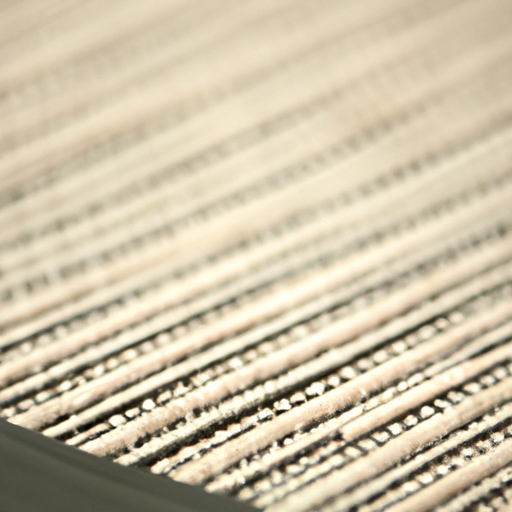
Aramid fiber has emerged as a cornerstone material in the realm of military gear, particularly in enhancing ballistic protection. This synthetic fiber, known for its exceptional strength-to-weight ratio, has revolutionized the way defense forces approach personal armor and vehicle protection. As threats evolve and become more sophisticated, the demand for advanced materials that can withstand ballistic impacts has never been greater. Aramid fibers, such as Kevlar and Twaron, have been at the forefront of this evolution, providing soldiers with the necessary protection without compromising mobility.
One of the most significant advantages of aramid fiber is its ability to absorb and disperse energy from ballistic impacts. When a projectile strikes an aramid-reinforced surface, the fiber’s unique molecular structure allows it to stretch and deform, effectively dissipating the energy across a broader area. This characteristic not only reduces the likelihood of penetration but also minimizes blunt force trauma, which can be just as dangerous as the projectile itself. Consequently, military gear incorporating aramid fibers, such as vests and helmets, offers soldiers a higher level of safety in combat situations.
Moreover, the lightweight nature of aramid fibers plays a crucial role in enhancing the overall effectiveness of military personnel. Traditional armor materials, while effective, often come with significant weight burdens that can hinder a soldier’s agility and endurance. In contrast, aramid fibers provide a lightweight alternative that allows for greater mobility without sacrificing protection. This balance is essential in modern warfare, where speed and adaptability can determine the outcome of engagements. As a result, aramid-reinforced gear enables soldiers to perform their duties more effectively, whether they are on the front lines or engaged in reconnaissance missions.
In addition to personal armor, aramid fibers are increasingly being utilized in the construction of military vehicles and aircraft. The integration of aramid composites into armor plating and structural components enhances the overall resilience of these platforms against ballistic threats. For instance, aramid-reinforced materials can be found in the armor of military trucks and helicopters, providing an additional layer of protection against small arms fire and shrapnel. This application not only improves the survivability of the vehicle but also ensures the safety of the personnel operating within.
Furthermore, the versatility of aramid fibers extends beyond ballistic protection. Their resistance to heat and chemicals makes them suitable for a variety of defense applications, including fire-resistant clothing and equipment. As military operations often expose personnel to hazardous environments, the incorporation of aramid fibers into gear designed for such conditions is invaluable. This multifaceted utility underscores the importance of aramid fibers in modern defense strategies, as they contribute to the overall safety and effectiveness of military operations.
As the defense sector continues to innovate, the role of aramid fibers in enhancing ballistic protection will likely expand. Ongoing research and development efforts aim to improve the performance characteristics of these materials, exploring new composites and manufacturing techniques that could further enhance their protective capabilities. In this context, aramid fibers stand as a testament to the intersection of technology and military needs, providing a critical advantage in an ever-changing landscape of threats. Ultimately, the integration of aramid fibers into military gear not only enhances individual soldier safety but also fortifies the operational effectiveness of armed forces worldwide, ensuring they remain prepared for the challenges of modern warfare.
Carbon Fiber: Revolutionizing Lightweight Armor Solutions
In recent years, the defense sector has witnessed a significant transformation in the materials used for protective gear and vehicle armor, with carbon fiber emerging as a game-changer. Traditionally, military applications relied heavily on metals and ceramics, which, while effective, often came with substantial weight penalties. However, the introduction of carbon fiber has revolutionized lightweight armor solutions, providing a compelling alternative that enhances both mobility and protection.
Carbon fiber, known for its high strength-to-weight ratio, has become increasingly popular in the design of personal protective equipment and armored vehicles. This material is composed of thin strands of carbon atoms bonded together in a crystalline structure, resulting in a lightweight yet incredibly strong composite. As defense forces around the world seek to improve the performance of their equipment, the advantages of carbon fiber are becoming increasingly apparent. For instance, when integrated into body armor, carbon fiber can significantly reduce the overall weight, allowing soldiers to carry additional gear without compromising their safety.
Moreover, the versatility of carbon fiber allows for innovative designs that were previously unattainable with traditional materials. Engineers can mold carbon fiber into complex shapes, enabling the creation of armor that fits the contours of the human body or the specific design of a vehicle. This adaptability not only enhances comfort for personnel but also improves the effectiveness of the armor by ensuring that critical areas are adequately protected. As a result, soldiers can operate more efficiently in the field, maintaining agility and endurance during extended missions.
In addition to its lightweight properties, carbon fiber exhibits excellent resistance to environmental factors, such as corrosion and temperature fluctuations. This durability is particularly crucial in defense applications, where equipment is often exposed to harsh conditions. Unlike metals that may rust or degrade over time, carbon fiber maintains its structural integrity, ensuring that protective gear remains reliable throughout its service life. Consequently, military organizations can reduce maintenance costs and extend the lifespan of their equipment, ultimately leading to more efficient resource allocation.
Furthermore, the integration of carbon fiber into defense applications aligns with the growing emphasis on advanced materials in military technology. As nations invest in research and development, the potential for carbon fiber to enhance not only armor but also other components, such as aircraft and naval vessels, becomes increasingly evident. For example, the aerospace sector has already begun to leverage carbon fiber composites to reduce weight and improve fuel efficiency in military aircraft, thereby enhancing operational capabilities.
However, the transition to carbon fiber is not without its challenges. The manufacturing process can be complex and costly, which may deter some defense organizations from fully embracing this innovative material. Nevertheless, as production techniques advance and economies of scale are realized, the cost of carbon fiber is expected to decrease, making it more accessible for widespread military use.
In conclusion, carbon fiber is poised to play a pivotal role in the future of defense applications, particularly in the realm of lightweight armor solutions. Its unique combination of strength, durability, and adaptability offers significant advantages over traditional materials, enabling military personnel to operate more effectively in diverse environments. As the defense industry continues to evolve, the integration of carbon fiber into protective gear and vehicles will undoubtedly enhance the safety and performance of armed forces worldwide, marking a new era in military technology.
The Synergy of Aramid and Carbon Fiber in Advanced Defense Technologies
In the realm of advanced defense technologies, the integration of aramid and carbon fiber has emerged as a pivotal development, enhancing the capabilities of military equipment and personnel protection. These two materials, each with distinct properties, complement one another in ways that significantly bolster the performance and resilience of defense applications. As military operations become increasingly complex and demanding, the synergy between aramid and carbon fiber is proving to be a game-changer.
Aramid fibers, known for their exceptional strength-to-weight ratio and resistance to heat and abrasion, have long been a staple in the production of ballistic vests and other protective gear. Their ability to absorb and dissipate energy from impacts makes them ideal for safeguarding soldiers in combat situations. On the other hand, carbon fiber is celebrated for its rigidity and lightweight characteristics, making it an excellent choice for structural components in military vehicles and aircraft. When these two materials are combined, they create a composite that not only enhances protection but also reduces the overall weight of the equipment, a critical factor in modern warfare where mobility and agility are paramount.
The collaboration between aramid and carbon fiber is particularly evident in the development of advanced armor systems. For instance, military vehicles equipped with composite armor made from both materials can withstand ballistic threats while maintaining a lower profile. This dual-material approach allows for the design of vehicles that are not only lighter and faster but also more fuel-efficient, thereby extending operational range and effectiveness. Furthermore, the use of these composites in aircraft design contributes to improved maneuverability and reduced fuel consumption, which are essential in aerial combat scenarios.
In addition to their applications in armor and vehicle construction, aramid and carbon fiber are also making significant strides in the realm of personal protective equipment. The combination of these materials in helmets and body armor provides soldiers with enhanced protection against a variety of threats, including shrapnel and projectiles. The lightweight nature of these composites ensures that soldiers can maintain their agility and endurance, which are crucial in high-stakes environments. Moreover, the incorporation of advanced materials technology allows for the development of gear that is not only protective but also comfortable, enabling soldiers to perform at their best without being hindered by cumbersome equipment.
As defense technologies continue to evolve, the role of aramid and carbon fiber is likely to expand further. Research and development efforts are increasingly focused on optimizing the properties of these materials, exploring new manufacturing techniques, and integrating smart technologies that can provide real-time data and situational awareness. This ongoing innovation is essential for maintaining a competitive edge in defense capabilities, as adversaries also seek to enhance their own technologies.
In conclusion, the synergy of aramid and carbon fiber in advanced defense technologies represents a significant advancement in military applications. By leveraging the unique strengths of both materials, defense manufacturers are able to create equipment that not only meets the rigorous demands of modern warfare but also enhances the safety and effectiveness of military personnel. As the landscape of defense continues to change, the collaboration between these two materials will undoubtedly play a crucial role in shaping the future of military operations, ensuring that armed forces are equipped to face emerging challenges with confidence and resilience.Aramid and carbon fibers play a crucial role in defense applications due to their exceptional strength-to-weight ratios, durability, and resistance to environmental factors. Aramid fibers, such as Kevlar, are widely used in personal protective equipment, including body armor and helmets, providing vital ballistic protection. Carbon fibers, known for their high stiffness and thermal stability, are utilized in structural components of military vehicles, aircraft, and naval vessels, enhancing performance while reducing weight. Together, these advanced materials contribute to improved safety, mobility, and operational effectiveness in defense systems, making them indispensable in modern military applications.



Add comment