
-
Table of Contents
Composite materials play a crucial role in high-speed rail projects, offering significant advantages in terms of weight reduction, strength, and durability. These advanced materials, typically composed of two or more constituent materials with distinct physical or chemical properties, enable the construction of lighter and more efficient rail vehicles. The use of composites in high-speed trains enhances performance by improving aerodynamics, reducing energy consumption, and increasing passenger comfort. Additionally, their resistance to corrosion and fatigue contributes to lower maintenance costs and extended service life. As the demand for faster and more sustainable transportation solutions grows, the integration of composite materials in high-speed rail systems is becoming increasingly vital for achieving operational efficiency and environmental sustainability.
Advantages of Composite Materials in High-Speed Rail Construction
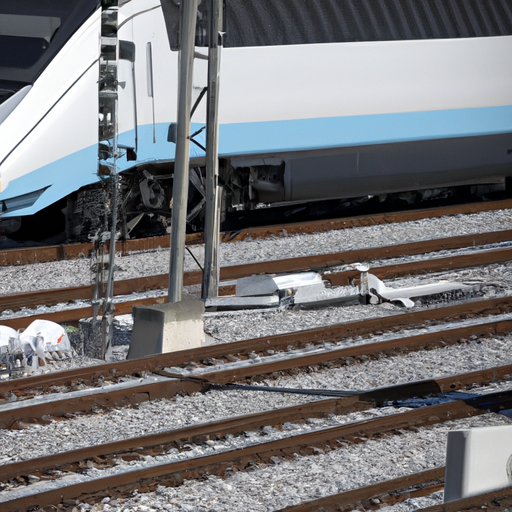
In the realm of high-speed rail construction, the integration of composite materials has emerged as a transformative force, offering a plethora of advantages that enhance both performance and sustainability. As the demand for efficient and rapid transportation solutions escalates globally, the adoption of these advanced materials is becoming increasingly critical. One of the most significant benefits of composite materials is their remarkable strength-to-weight ratio. Unlike traditional materials such as steel and aluminum, composites can provide equivalent or superior strength while being significantly lighter. This reduction in weight not only contributes to improved energy efficiency but also allows for faster acceleration and deceleration, which are essential characteristics of high-speed rail systems.
Moreover, the durability of composite materials plays a pivotal role in the longevity and maintenance of rail infrastructure. Composites are inherently resistant to corrosion, fatigue, and environmental degradation, which translates to lower maintenance costs over the lifespan of the rail system. This resilience is particularly advantageous in regions with harsh weather conditions or where exposure to moisture and chemicals is prevalent. Consequently, rail operators can allocate resources more effectively, focusing on service improvements rather than frequent repairs.
In addition to their mechanical properties, composite materials offer significant design flexibility. Engineers and architects can mold composites into complex shapes and structures that would be challenging or impossible to achieve with conventional materials. This versatility not only enhances the aesthetic appeal of high-speed trains and stations but also allows for innovative aerodynamic designs that can further reduce drag and improve energy efficiency. As a result, the overall performance of high-speed rail systems can be optimized, leading to faster travel times and reduced energy consumption.
Furthermore, the environmental impact of high-speed rail projects is a growing concern, and composite materials present a sustainable alternative. Many composites are manufactured using renewable resources, and their lightweight nature contributes to lower energy consumption during both construction and operation. Additionally, the potential for recycling certain composite materials at the end of their life cycle further underscores their environmental benefits. As the transportation sector increasingly prioritizes sustainability, the use of composites aligns seamlessly with these goals, making high-speed rail systems not only faster but also greener.
Another noteworthy advantage of composite materials is their ability to enhance passenger comfort and safety. The inherent damping properties of composites can reduce vibrations and noise, creating a smoother ride for passengers. This is particularly important in high-speed rail, where the experience of traveling at elevated speeds can be jarring if not properly managed. Moreover, composites can be engineered to include fire-resistant properties, contributing to the overall safety of the rail system. As safety regulations become more stringent, the ability to incorporate such features into the design of high-speed trains is invaluable.
In conclusion, the advantages of composite materials in high-speed rail construction are manifold, encompassing improved performance, reduced maintenance costs, design flexibility, environmental sustainability, and enhanced passenger comfort. As the industry continues to evolve, the role of composites is likely to expand, paving the way for even more innovative solutions in the quest for efficient and sustainable transportation. The future of high-speed rail is not only about speed but also about creating a holistic system that meets the demands of modern society while respecting the environment. As such, the integration of composite materials stands as a testament to the potential of engineering advancements in shaping the future of rail travel.
Innovations in Composite Material Technology for Rail Applications
In recent years, the rail industry has witnessed a significant transformation, particularly with the advent of high-speed rail systems that demand not only efficiency but also safety and sustainability. At the heart of this evolution lies the innovative use of composite materials, which have emerged as a game-changer in rail applications. These materials, typically composed of two or more constituent materials with distinct physical or chemical properties, offer a unique combination of strength, lightweight characteristics, and resistance to environmental factors, making them ideal for high-speed rail projects.
One of the most notable advancements in composite material technology is the development of carbon fiber reinforced polymers (CFRPs). These materials are increasingly being utilized in the construction of train car bodies and components due to their exceptional strength-to-weight ratio. By replacing traditional steel and aluminum with CFRPs, manufacturers can significantly reduce the overall weight of trains. This reduction not only enhances energy efficiency but also allows for faster acceleration and deceleration, which are critical factors in high-speed rail operations. Moreover, the lightweight nature of CFRPs contributes to lower energy consumption, aligning with global sustainability goals.
In addition to CFRPs, glass fiber reinforced polymers (GFRPs) are gaining traction in rail applications. GFRPs are particularly valued for their corrosion resistance and durability, making them suitable for various components exposed to harsh environmental conditions. For instance, the use of GFRPs in rail infrastructure, such as bridges and tunnels, can extend the lifespan of these structures while minimizing maintenance costs. As rail networks expand and modernize, the integration of GFRPs into infrastructure projects is becoming increasingly common, showcasing the versatility of composite materials in enhancing the longevity and reliability of rail systems.
Furthermore, the innovation in composite materials extends beyond just the structural components of trains. Interior design elements, such as seating and paneling, are also benefiting from the lightweight and aesthetic properties of composites. Manufacturers are now able to create more spacious and comfortable interiors without compromising on safety or durability. This shift not only improves passenger experience but also reflects a broader trend towards modernizing rail travel to compete with other modes of transportation.
As the rail industry continues to embrace these advancements, research and development efforts are focused on enhancing the performance characteristics of composite materials. For instance, the introduction of bio-based composites, which utilize renewable resources, is gaining attention as a sustainable alternative to traditional composites. These materials not only reduce reliance on fossil fuels but also contribute to a lower carbon footprint, aligning with the increasing emphasis on environmental responsibility in transportation.
Moreover, the integration of smart technologies into composite materials is on the horizon. Researchers are exploring the potential of embedding sensors within composite structures to monitor their health and performance in real-time. This innovation could revolutionize maintenance practices, allowing for predictive maintenance and reducing the risk of failures. By harnessing the power of data analytics, rail operators can optimize their operations and enhance safety measures, ultimately leading to a more reliable high-speed rail system.
In conclusion, the innovations in composite material technology are reshaping the landscape of high-speed rail projects. From enhancing structural integrity and reducing weight to improving passenger comfort and sustainability, these materials are at the forefront of modern rail engineering. As the industry continues to evolve, the ongoing research and development in composite technologies promise to unlock even greater potential, ensuring that high-speed rail remains a viable and efficient mode of transportation for the future.
Sustainability Benefits of Using Composites in High-Speed Rail Systems
The integration of composite materials in high-speed rail systems is revolutionizing the transportation sector, particularly in terms of sustainability. As the world grapples with the pressing need to reduce carbon emissions and enhance energy efficiency, the adoption of composites presents a compelling solution. These materials, which are typically made from a combination of fibers and resins, offer significant advantages over traditional materials like steel and aluminum, particularly in the context of high-speed rail projects.
One of the most notable sustainability benefits of using composites is their lightweight nature. High-speed trains require materials that minimize weight to achieve optimal speeds and energy efficiency. Composites, being significantly lighter than metals, contribute to reduced energy consumption during operation. This reduction in weight not only enhances the train’s performance but also decreases the overall energy required for propulsion. Consequently, this leads to lower greenhouse gas emissions, aligning with global efforts to combat climate change.
Moreover, the durability of composite materials plays a crucial role in promoting sustainability. Composites are resistant to corrosion and fatigue, which means they have a longer lifespan compared to traditional materials. This longevity translates into fewer replacements and repairs over time, reducing the demand for raw materials and the energy associated with manufacturing new components. In high-speed rail systems, where reliability and safety are paramount, the use of durable composites ensures that trains can operate efficiently for extended periods without the need for frequent maintenance.
In addition to their physical properties, the production processes for composite materials can also be more environmentally friendly. Many composite manufacturing techniques generate less waste compared to traditional metalworking processes. For instance, advanced methods such as resin transfer molding and vacuum infusion allow for precise control over material usage, minimizing excess and reducing the environmental footprint of production. Furthermore, as the industry evolves, there is a growing emphasis on recycling and reusing composite materials, which further enhances their sustainability profile.
Transitioning to composites in high-speed rail systems also supports the broader goals of sustainable urban development. As cities expand and populations grow, the demand for efficient public transportation solutions becomes increasingly critical. High-speed rail offers a viable alternative to road and air travel, which are often more carbon-intensive. By incorporating composites into these systems, rail operators can provide a greener mode of transport that not only meets the needs of commuters but also contributes to reduced urban congestion and pollution.
Additionally, the use of composites aligns with the principles of a circular economy. As the industry seeks to minimize waste and maximize resource efficiency, composites can be designed for disassembly and recycling at the end of their life cycle. This approach not only conserves resources but also reduces the environmental impact associated with disposal. As more high-speed rail projects embrace this philosophy, the potential for composites to contribute to a sustainable future becomes increasingly evident.
In conclusion, the sustainability benefits of using composite materials in high-speed rail systems are multifaceted and significant. From their lightweight properties that enhance energy efficiency to their durability that reduces the need for frequent replacements, composites are paving the way for a greener transportation future. As the world continues to prioritize sustainability, the role of composites in high-speed rail projects will undoubtedly become more prominent, driving innovation and fostering a more sustainable approach to public transportation.Composite materials play a crucial role in high-speed rail projects by offering significant advantages such as reduced weight, enhanced strength, and improved durability. Their application leads to increased energy efficiency, lower maintenance costs, and greater design flexibility, ultimately contributing to faster and more reliable rail systems. As the demand for sustainable and efficient transportation solutions grows, the integration of composite materials in high-speed rail infrastructure is likely to expand, driving innovation and performance in the industry.







Add comment