
-
Table of Contents
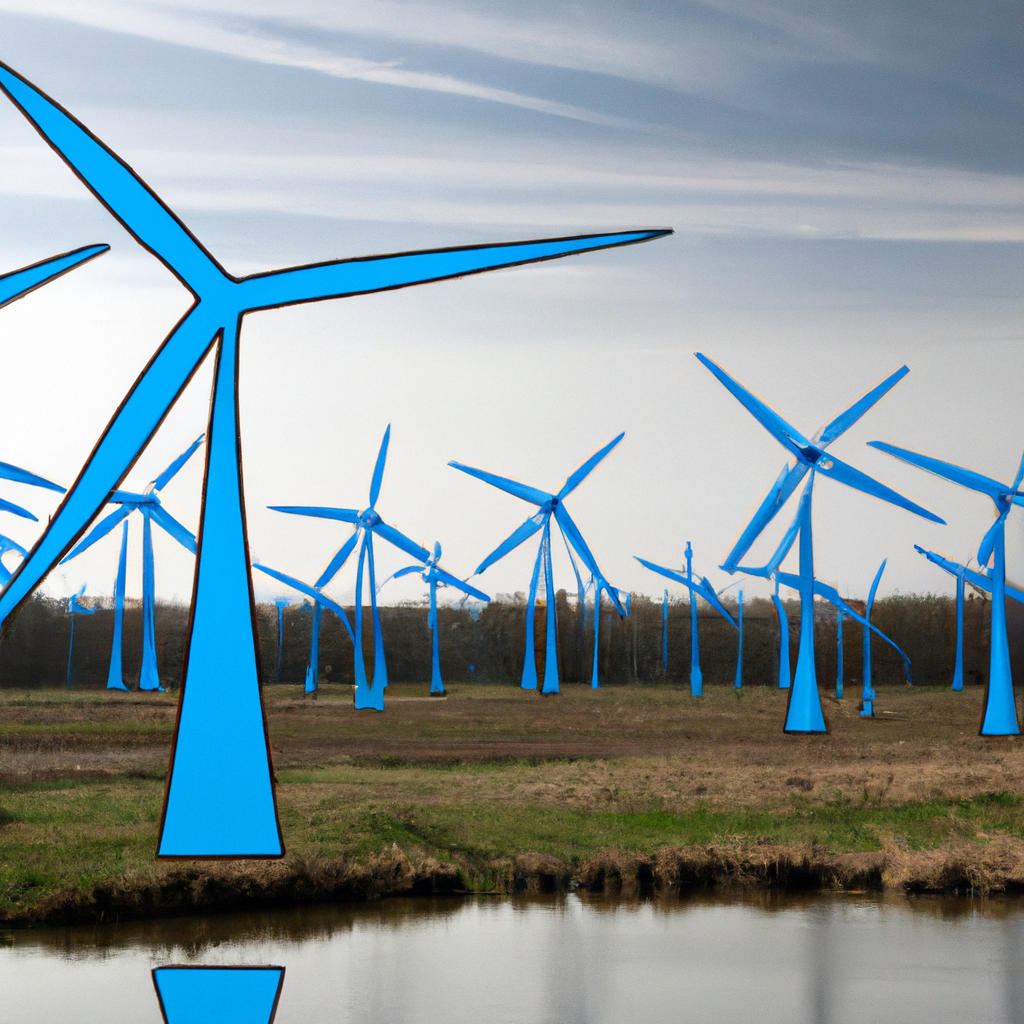
The wind energy sector is experiencing significant growth, driven by the global shift towards renewable energy sources and the need for sustainable solutions to combat climate change. As wind turbine technology advances, the use of composite materials has become increasingly prevalent due to their lightweight, high-strength properties, and resistance to environmental degradation. These materials enhance the efficiency and durability of turbine components, such as blades and nacelles, allowing for larger and more efficient designs that can capture more wind energy. The integration of composites not only improves performance but also reduces manufacturing and maintenance costs, positioning the wind energy sector as a leader in innovative material applications within the renewable energy landscape.
Advancements in Composite Materials for Wind Turbine Blades

The wind energy sector is experiencing a significant transformation, particularly in the realm of composite materials used for wind turbine blades. As the demand for renewable energy sources continues to rise, the need for more efficient, durable, and lightweight materials has become paramount. This shift is not merely a trend; it represents a fundamental change in how wind turbines are designed and manufactured, ultimately influencing the overall efficiency and sustainability of wind energy production.
Recent advancements in composite materials have played a crucial role in enhancing the performance of wind turbine blades. Traditionally, blades were constructed from fiberglass-reinforced plastics, which, while effective, had limitations in terms of strength and weight. However, innovations in materials science have led to the development of advanced composites that incorporate carbon fibers and other high-performance materials. These new composites offer superior strength-to-weight ratios, allowing for longer blades that can capture more wind energy without compromising structural integrity.
Moreover, the integration of these advanced materials has enabled engineers to design blades that are not only longer but also more aerodynamically efficient. The ability to create blades with complex geometries and optimized shapes has resulted in turbines that can operate effectively in a wider range of wind conditions. This adaptability is particularly important as wind patterns become increasingly unpredictable due to climate change. By utilizing advanced composite materials, manufacturers can produce blades that are tailored to specific environmental conditions, thereby maximizing energy output.
In addition to performance enhancements, the use of composite materials also addresses the issue of sustainability. As the wind energy sector strives to reduce its carbon footprint, the lifecycle of materials used in turbine construction has come under scrutiny. Advanced composites are often designed with recyclability in mind, which is a significant improvement over traditional materials. Companies are now exploring ways to recycle old turbine blades, turning them into new products rather than allowing them to contribute to landfill waste. This circular approach not only minimizes environmental impact but also aligns with the broader goals of the renewable energy sector.
Furthermore, the manufacturing processes for these advanced composites are evolving as well. Innovations such as automated fiber placement and 3D printing are streamlining production, reducing costs, and improving consistency in quality. These technologies allow for precise control over material placement and orientation, which is critical for achieving the desired mechanical properties in turbine blades. As these manufacturing techniques become more widespread, the wind energy sector can expect to see a reduction in production times and costs, making wind energy even more competitive with fossil fuels.
As the industry continues to embrace these advancements, collaboration between material scientists, engineers, and manufacturers will be essential. By working together, stakeholders can push the boundaries of what is possible with composite materials, leading to even more significant breakthroughs in wind turbine design. The future of wind energy is not just about harnessing the power of the wind; it is also about leveraging cutting-edge materials to create more efficient, sustainable, and resilient energy solutions.
In conclusion, the advancements in composite materials for wind turbine blades represent a pivotal moment in the evolution of the wind energy sector. With improved performance, sustainability, and manufacturing processes, these materials are set to redefine the landscape of renewable energy. As the world increasingly turns to wind power as a viable alternative to fossil fuels, the role of advanced composites will undoubtedly be central to achieving a cleaner, more sustainable energy future.
Environmental Benefits of Using Composites in Wind Energy
The wind energy sector is experiencing a significant transformation, particularly in its materials of choice, with composite materials taking center stage. This shift is not merely a trend; it reflects a deeper understanding of the environmental benefits that composites offer in the context of renewable energy production. As the world grapples with the urgent need to combat climate change, the adoption of advanced materials in wind turbine manufacturing is proving to be a pivotal strategy.
One of the most compelling advantages of composite materials, particularly fiberglass and carbon fiber, lies in their lightweight properties. Wind turbine blades, which can reach lengths of over 80 meters, require materials that can withstand extreme conditions while minimizing weight. By utilizing composites, manufacturers can produce longer and more efficient blades that capture more wind energy. This increase in efficiency translates directly into higher energy output, allowing wind farms to generate more electricity without the need for additional installations. Consequently, this not only maximizes the use of existing land but also reduces the overall environmental footprint associated with energy production.
Moreover, the durability of composite materials significantly contributes to the sustainability of wind energy systems. Unlike traditional materials such as steel and aluminum, composites are resistant to corrosion and fatigue, which means they require less maintenance and have a longer lifespan. This longevity is crucial in reducing the frequency of repairs and replacements, thereby minimizing waste and the environmental impact associated with manufacturing new components. As a result, the lifecycle assessment of wind turbines made from composites shows a marked reduction in carbon emissions compared to those constructed from conventional materials.
In addition to their performance benefits, composites also play a vital role in the recycling and circular economy of wind energy. As the industry matures, the challenge of end-of-life turbine disposal has come to the forefront. Traditional materials often end up in landfills, contributing to environmental degradation. However, advancements in composite recycling technologies are paving the way for a more sustainable approach. Innovative methods are being developed to reclaim and repurpose composite materials, allowing them to be reintegrated into new products or applications. This not only reduces waste but also conserves resources, aligning with global sustainability goals.
Furthermore, the production of composite materials is increasingly being powered by renewable energy sources, further enhancing their environmental credentials. As manufacturers adopt greener practices, the carbon footprint associated with the production of these materials diminishes. This synergy between renewable energy generation and sustainable material production creates a virtuous cycle that bolsters the overall effectiveness of wind energy as a clean power source.
As the wind energy sector continues to expand, the integration of composite materials is becoming a cornerstone of its growth strategy. The environmental benefits are clear: from increased efficiency and reduced maintenance to enhanced recyclability and lower carbon emissions. By embracing these advanced materials, the industry is not only improving its operational performance but also reinforcing its commitment to sustainability. In a world where the urgency for clean energy solutions is paramount, the wind energy sector’s focus on composites represents a significant step forward in the quest for a greener future. As this trend continues to evolve, it is likely that the role of composite materials will only grow, further solidifying their importance in the renewable energy landscape.
Cost-Effectiveness of Composite Materials in Wind Energy Production
The wind energy sector is experiencing a significant transformation, particularly in the materials used for turbine construction. As the demand for renewable energy sources continues to rise, the industry is increasingly turning to composite materials, which offer a range of cost-effective benefits that are reshaping the landscape of wind energy production. This shift is not merely a trend; it represents a strategic response to the pressing need for efficiency and sustainability in energy generation.
Composite materials, primarily made from a combination of fibers and resins, have gained traction due to their lightweight properties and high strength-to-weight ratios. These characteristics are particularly advantageous in the design and manufacturing of wind turbine blades, which must be both robust and lightweight to maximize energy capture while minimizing structural stress. By utilizing composites, manufacturers can produce longer blades that enhance energy output without significantly increasing the weight of the turbine. This innovation is crucial, as longer blades can harness more wind energy, thereby improving the overall efficiency of wind farms.
Moreover, the cost-effectiveness of composite materials extends beyond their initial application in turbine blades. The durability and resistance to environmental factors such as corrosion and fatigue mean that turbines constructed with composites require less maintenance over their operational lifespan. This reduction in maintenance not only lowers operational costs but also minimizes downtime, allowing for more consistent energy production. As a result, the long-term financial benefits of using composite materials become increasingly apparent, making them an attractive option for wind energy developers.
In addition to their performance advantages, composite materials are also becoming more accessible due to advancements in manufacturing processes. Techniques such as automated fiber placement and resin infusion have streamlined production, reducing labor costs and increasing precision. These innovations have made it possible to produce composite components at a scale that meets the growing demands of the wind energy market. Consequently, as production costs decrease, the overall investment in wind energy infrastructure becomes more appealing to stakeholders, further driving the adoption of composite materials.
Furthermore, the environmental impact of using composite materials aligns with the broader goals of the renewable energy sector. As the industry seeks to minimize its carbon footprint, the lifecycle analysis of composite materials reveals that their production and use can be more sustainable compared to traditional materials like steel and aluminum. While the initial manufacturing process of composites may involve energy-intensive steps, the long-term benefits, including reduced emissions during operation and lower resource consumption, contribute to a more sustainable energy future.
As the wind energy sector continues to evolve, the integration of composite materials is poised to play a pivotal role in shaping its trajectory. The combination of enhanced performance, reduced maintenance costs, and environmental sustainability positions composites as a cornerstone of modern wind turbine design. Industry leaders are recognizing that investing in these materials not only supports the immediate goals of efficiency and cost reduction but also aligns with the long-term vision of a cleaner, more sustainable energy landscape.
In conclusion, the increasing use of composite materials in the wind energy sector is a testament to the industry’s commitment to innovation and sustainability. As manufacturers continue to explore the potential of these materials, the cost-effectiveness they offer will likely drive further advancements in turbine technology, ultimately contributing to a more robust and resilient renewable energy infrastructure. The future of wind energy is not just about harnessing the power of the wind; it is also about making smart, strategic choices in the materials that enable this vital energy source.The wind energy sector is increasingly utilizing composite materials due to their lightweight, high strength, and corrosion resistance properties, which enhance the efficiency and durability of wind turbine components. This shift not only contributes to improved performance and reduced maintenance costs but also supports the industry’s goal of sustainable energy production. As technology advances and the demand for renewable energy grows, the integration of composite materials in wind energy applications is expected to play a crucial role in optimizing turbine design and increasing overall energy output.




Add comment