
-
Table of Contents
Recent advancements in carbon fiber prepreg technology have significantly enhanced the performance, efficiency, and versatility of composite materials across various industries. Innovations in resin formulations, manufacturing processes, and automation techniques have led to improved mechanical properties, reduced curing times, and greater ease of handling. These developments enable the production of lighter, stronger, and more durable components, making carbon fiber prepregs increasingly attractive for applications in aerospace, automotive, and sporting goods. Additionally, the integration of sustainable practices and the exploration of bio-based resins are paving the way for environmentally friendly solutions in composite manufacturing. As the demand for high-performance materials continues to grow, the latest innovations in carbon fiber prepreg technology are poised to play a crucial role in shaping the future of advanced materials.
Advancements in Carbon Fiber Prepreg Manufacturing Techniques
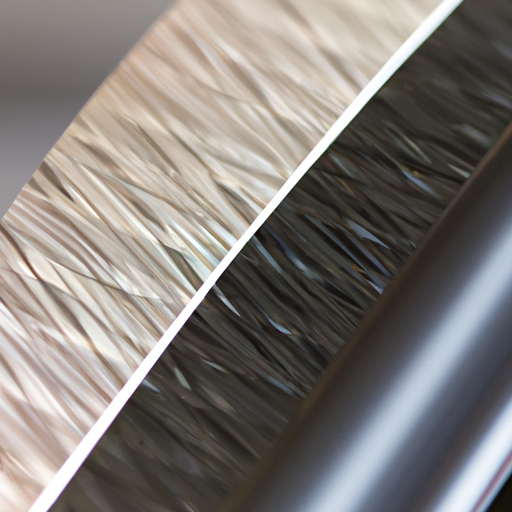
The landscape of carbon fiber prepreg technology is undergoing a significant transformation, driven by advancements in manufacturing techniques that promise to enhance performance, reduce costs, and expand applications across various industries. As the demand for lightweight, high-strength materials continues to rise, particularly in aerospace, automotive, and sporting goods, manufacturers are increasingly turning to innovative methods to optimize the production of carbon fiber prepregs.
One of the most notable advancements in this field is the development of automated fiber placement (AFP) technology. This technique allows for the precise placement of carbon fiber tows onto a substrate, significantly improving the efficiency and accuracy of the prepreg process. By utilizing robotic systems, manufacturers can achieve complex geometries and reduce material waste, which is a critical factor in lowering production costs. Furthermore, AFP technology enables the integration of multiple materials, allowing for hybrid structures that combine the benefits of carbon fiber with other composites, thereby enhancing overall performance.
In addition to AFP, advancements in resin systems have also played a pivotal role in the evolution of carbon fiber prepreg manufacturing. The introduction of thermoplastic resins, for instance, has opened new avenues for the production of prepregs that offer superior toughness and impact resistance compared to traditional thermosetting resins. These thermoplastic prepregs can be reprocessed and reshaped, providing manufacturers with greater flexibility in design and production. This adaptability is particularly advantageous in industries where rapid prototyping and iterative design are essential, such as in the automotive sector, where manufacturers are racing to develop lighter, more fuel-efficient vehicles.
Moreover, the integration of digital technologies into the manufacturing process has further streamlined production. The use of advanced software for simulation and modeling allows manufacturers to optimize the layup process, ensuring that the fibers are aligned in a manner that maximizes strength and minimizes defects. This digital approach not only enhances the quality of the final product but also accelerates the development cycle, enabling companies to bring innovative designs to market more quickly.
Another significant trend in carbon fiber prepreg technology is the emphasis on sustainability. As environmental concerns become increasingly pressing, manufacturers are exploring bio-based resins and recycled carbon fibers as alternatives to traditional materials. These sustainable options not only reduce the carbon footprint of the manufacturing process but also appeal to a growing segment of consumers who prioritize eco-friendly products. By investing in research and development of these materials, companies are positioning themselves as leaders in a market that is increasingly focused on sustainability.
Furthermore, the rise of additive manufacturing techniques, such as 3D printing, is beginning to intersect with carbon fiber prepreg technology. By combining these two innovative processes, manufacturers can create complex structures that were previously unattainable with traditional methods. This synergy not only enhances design possibilities but also allows for the production of lightweight components that maintain structural integrity, a crucial factor in high-performance applications.
In conclusion, the advancements in carbon fiber prepreg manufacturing techniques are reshaping the industry landscape, offering new opportunities for innovation and efficiency. From automated fiber placement and advanced resin systems to digital integration and sustainable practices, these developments are not only enhancing the performance of carbon fiber prepregs but also expanding their applicability across various sectors. As the industry continues to evolve, it is clear that these innovations will play a critical role in meeting the demands of a rapidly changing market, ultimately paving the way for a new era of lightweight, high-performance materials.
The Role of Carbon Fiber Prepreg in Aerospace Engineering
In the realm of aerospace engineering, the quest for materials that offer both strength and lightweight properties has led to significant advancements in carbon fiber prepreg technology. This innovative material, which consists of carbon fibers pre-impregnated with a resin system, has become a cornerstone in the design and manufacturing of aircraft components. The unique characteristics of carbon fiber prepreg, including its high tensile strength and low weight, make it an ideal choice for aerospace applications where performance and efficiency are paramount.
One of the most compelling aspects of carbon fiber prepreg is its ability to enhance fuel efficiency. As airlines and manufacturers strive to reduce operational costs and environmental impact, the lightweight nature of carbon fiber prepreg allows for the construction of aircraft that consume less fuel. By replacing traditional materials such as aluminum and steel with carbon fiber composites, engineers can significantly decrease the overall weight of the aircraft. This reduction not only leads to lower fuel consumption but also contributes to improved payload capacity, allowing airlines to transport more passengers or cargo without compromising performance.
Moreover, the advancements in carbon fiber prepreg technology have led to improved manufacturing processes that further benefit the aerospace sector. The introduction of automated fiber placement (AFP) and automated tape laying (ATL) techniques has streamlined the production of complex components, enabling manufacturers to achieve higher precision and consistency. These methods allow for the efficient layering of prepreg materials, resulting in components that are not only lighter but also possess superior structural integrity. As a result, the aerospace industry can produce parts that meet stringent safety and performance standards while also reducing production time and costs.
In addition to weight and manufacturing efficiency, the durability of carbon fiber prepreg is another critical factor that enhances its role in aerospace engineering. The material exhibits excellent resistance to fatigue, corrosion, and environmental degradation, making it suitable for the harsh conditions encountered during flight. This durability translates into longer service life for aircraft components, reducing the need for frequent maintenance and replacements. Consequently, airlines can benefit from lower lifecycle costs and improved operational reliability, which are essential in a highly competitive market.
Furthermore, the versatility of carbon fiber prepreg allows for its application in various aerospace components, from structural elements like wings and fuselage sections to interior components such as seats and cabin structures. This adaptability not only broadens the scope of its use but also encourages innovation in design. Engineers are increasingly exploring new geometries and configurations that were previously unattainable with traditional materials, leading to more aerodynamically efficient and aesthetically pleasing aircraft designs.
As the aerospace industry continues to evolve, the role of carbon fiber prepreg technology is expected to expand even further. Ongoing research and development efforts are focused on enhancing the properties of prepreg materials, including the introduction of bio-based resins and improved recycling methods. These innovations aim to address environmental concerns while maintaining the performance advantages that carbon fiber prepreg offers.
In conclusion, carbon fiber prepreg technology is revolutionizing aerospace engineering by providing lightweight, durable, and efficient materials that meet the demands of modern aviation. As manufacturers embrace these advancements, the future of aircraft design and performance looks promising, with carbon fiber prepreg at the forefront of this transformation. The ongoing commitment to innovation in this field will undoubtedly yield further breakthroughs, solidifying carbon fiber prepreg’s essential role in shaping the future of aerospace engineering.
Sustainable Practices in Carbon Fiber Prepreg Production
As the demand for lightweight, high-strength materials continues to rise across various industries, the production of carbon fiber prepreg has evolved significantly, particularly in the realm of sustainability. The latest innovations in carbon fiber prepreg technology are not only enhancing performance but also addressing environmental concerns associated with traditional manufacturing processes. This shift towards sustainable practices is crucial, given the growing awareness of climate change and the need for industries to reduce their carbon footprints.
One of the most notable advancements in carbon fiber prepreg production is the development of bio-based resins. Traditionally, the resins used in prepreg materials have been derived from petroleum, contributing to greenhouse gas emissions and environmental degradation. However, recent innovations have led to the creation of resins sourced from renewable materials, such as plant-based oils and natural fibers. These bio-based resins not only reduce reliance on fossil fuels but also offer comparable mechanical properties to their petroleum-based counterparts, making them a viable alternative for manufacturers seeking to enhance sustainability without compromising performance.
In addition to bio-based resins, manufacturers are increasingly adopting closed-loop production systems. This approach minimizes waste by recycling excess materials generated during the prepreg manufacturing process. By capturing and reusing these materials, companies can significantly reduce their environmental impact while also lowering production costs. Furthermore, advancements in automation and digital technologies have streamlined the manufacturing process, allowing for more precise control over material usage and reducing the likelihood of waste. As a result, the carbon fiber prepreg industry is moving towards a more circular economy, where materials are continuously repurposed rather than discarded.
Moreover, the integration of life cycle assessment (LCA) methodologies into the production of carbon fiber prepreg is gaining traction. LCA provides a comprehensive evaluation of the environmental impacts associated with each stage of a product’s life, from raw material extraction to end-of-life disposal. By employing LCA, manufacturers can identify areas for improvement and make informed decisions that enhance sustainability. This data-driven approach not only helps companies meet regulatory requirements but also appeals to environmentally conscious consumers who are increasingly prioritizing sustainable products.
Another significant innovation is the development of low-energy curing processes for carbon fiber prepregs. Traditional curing methods often require high temperatures and long processing times, which can be energy-intensive and contribute to a larger carbon footprint. However, new curing technologies, such as ultraviolet (UV) light and microwave curing, have emerged as more energy-efficient alternatives. These methods not only reduce energy consumption but also shorten production cycles, allowing manufacturers to respond more quickly to market demands while minimizing their environmental impact.
As the carbon fiber prepreg industry continues to evolve, collaboration among stakeholders is essential for driving sustainable practices forward. Manufacturers, researchers, and policymakers must work together to establish standards and best practices that promote sustainability throughout the supply chain. By fostering innovation and sharing knowledge, the industry can accelerate the transition towards more sustainable production methods.
In conclusion, the latest innovations in carbon fiber prepreg technology are paving the way for a more sustainable future. Through the adoption of bio-based resins, closed-loop production systems, life cycle assessments, and low-energy curing processes, manufacturers are not only enhancing the performance of their products but also addressing the pressing environmental challenges of our time. As these practices become more widespread, the carbon fiber prepreg industry is poised to play a pivotal role in the global shift towards sustainability, ultimately benefiting both the planet and the economy.Recent innovations in carbon fiber prepreg technology have significantly enhanced the performance, efficiency, and versatility of composite materials. Advances in resin formulations, manufacturing processes, and automation have led to improved mechanical properties, reduced curing times, and greater consistency in production. Additionally, the integration of smart materials and sustainable practices is paving the way for more environmentally friendly options. These developments are driving applications across various industries, including aerospace, automotive, and sports equipment, ultimately contributing to lighter, stronger, and more efficient products.






One comment
Barbeques Galore outlet online
Really appreciate the effort behind this post.