

-
Table of Contents
Composite materials are increasingly becoming integral to next-generation aircraft designs due to their unique properties, including high strength-to-weight ratios, corrosion resistance, and design flexibility. These materials, typically composed of two or more constituent materials, allow for the creation of lighter, more fuel-efficient aircraft that can enhance performance and reduce operational costs. The use of composites enables innovative aerodynamic shapes and structures, contributing to improved overall efficiency and sustainability in aviation. As the industry moves towards more environmentally friendly solutions, the adoption of advanced composite materials is pivotal in meeting stringent regulatory standards and addressing the challenges of modern air travel.
Advancements in Composite Materials for Lightweight Aircraft Structures
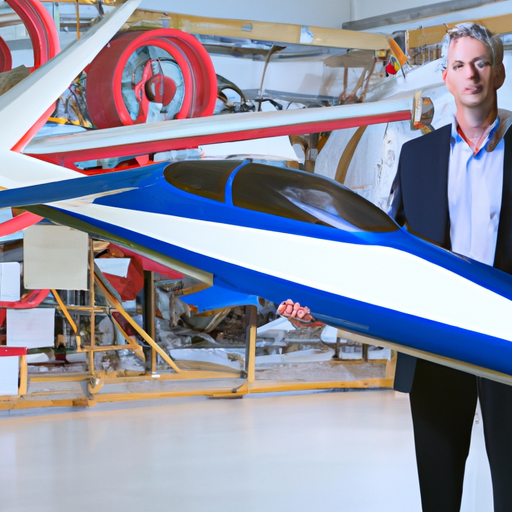
In the realm of aerospace engineering, the quest for lighter, more efficient aircraft has led to significant advancements in composite materials, which are now at the forefront of next-generation aircraft designs. These materials, typically composed of two or more constituent materials with distinct physical or chemical properties, offer a unique combination of strength, durability, and reduced weight. As the aviation industry grapples with the dual challenges of increasing fuel efficiency and minimizing environmental impact, the integration of advanced composites has emerged as a pivotal solution.
One of the most notable advancements in composite materials is the development of carbon fiber reinforced polymers (CFRPs). These materials are not only lighter than traditional aluminum but also exhibit superior strength-to-weight ratios. Consequently, aircraft manufacturers are increasingly incorporating CFRPs into primary structures, such as wings and fuselages. For instance, the Boeing 787 Dreamliner and the Airbus A350 XWB have both utilized CFRPs extensively, resulting in significant weight reductions that translate into lower fuel consumption and enhanced performance. This shift towards composite materials is not merely a trend; it represents a fundamental change in how aircraft are designed and constructed.
Moreover, the versatility of composite materials allows for innovative design possibilities that were previously unattainable with conventional materials. Engineers can mold composites into complex shapes, enabling aerodynamic designs that improve overall efficiency. This capability is particularly crucial as the industry moves towards more fuel-efficient aircraft that can meet stringent environmental regulations. By optimizing the aerodynamic profiles of aircraft, manufacturers can achieve substantial reductions in drag, further enhancing fuel efficiency.
In addition to carbon fiber composites, advancements in thermoplastic composites are also gaining traction. These materials offer the advantage of being easier to process and recycle compared to traditional thermoset composites. As sustainability becomes a central focus in aviation, the ability to recycle aircraft components made from thermoplastic composites presents a compelling case for their adoption. This not only aligns with the industry’s environmental goals but also reduces manufacturing costs and waste.
Furthermore, the integration of smart materials into composite structures is revolutionizing aircraft design. These materials can respond to environmental changes, such as temperature and pressure, allowing for real-time adjustments to enhance performance and safety. For example, researchers are exploring the use of piezoelectric materials that can generate electricity from mechanical stress, potentially powering onboard systems without adding significant weight. This innovation could lead to self-sustaining aircraft systems, further pushing the boundaries of what is possible in aviation technology.
As the aerospace sector continues to evolve, the collaboration between material scientists and engineers is crucial for driving these advancements forward. Research institutions and industry leaders are investing heavily in the development of next-generation composites, focusing on improving their mechanical properties, durability, and resistance to environmental factors. This collaborative effort is essential for overcoming the challenges associated with integrating new materials into existing manufacturing processes and ensuring that they meet the rigorous safety standards required in aviation.
In conclusion, the advancements in composite materials are reshaping the landscape of aircraft design, offering unprecedented opportunities for lightweight structures that enhance performance and sustainability. As the industry embraces these innovations, the future of aviation looks promising, with the potential for more efficient, environmentally friendly aircraft that can meet the demands of a rapidly changing world. The ongoing research and development in this field will undoubtedly continue to push the boundaries of what is possible, paving the way for the next generation of aircraft that will soar through the skies with greater efficiency and reduced environmental impact.
The Role of Composite Materials in Enhancing Fuel Efficiency
In the quest for more efficient and environmentally friendly aviation, composite materials have emerged as a game-changer in next-generation aircraft designs. These advanced materials, which typically consist of a combination of fibers and resins, offer significant advantages over traditional metals, particularly in terms of weight reduction and fuel efficiency. As airlines and manufacturers strive to meet stringent emissions regulations and rising fuel costs, the integration of composites into aircraft structures has become increasingly vital.
One of the primary benefits of composite materials is their remarkable strength-to-weight ratio. By replacing heavier aluminum and steel components with lighter composite alternatives, aircraft designers can significantly reduce the overall weight of the aircraft. This reduction in weight directly translates to lower fuel consumption, as lighter planes require less energy to achieve and maintain flight. For instance, the Boeing 787 Dreamliner, which utilizes composite materials for approximately 50% of its airframe, has demonstrated a fuel efficiency improvement of up to 20% compared to its predecessors. This not only results in cost savings for airlines but also contributes to a decrease in greenhouse gas emissions, aligning with global sustainability goals.
Moreover, composites are not only lighter but also offer enhanced durability and resistance to corrosion. Traditional materials like aluminum are susceptible to fatigue and corrosion over time, necessitating frequent maintenance and repairs. In contrast, composite materials exhibit superior resistance to environmental factors, which can lead to longer service intervals and reduced maintenance costs. This durability is particularly advantageous for airlines, as it allows for more efficient fleet management and operational reliability. Consequently, the long-term economic benefits of using composites extend beyond fuel savings, encompassing reduced maintenance expenditures and increased aircraft availability.
In addition to weight reduction and durability, the design flexibility offered by composite materials plays a crucial role in enhancing fuel efficiency. Unlike metals, which can be challenging to mold into complex shapes, composites can be engineered to create aerodynamic forms that optimize airflow around the aircraft. This capability allows designers to refine the aircraft’s shape, reducing drag and further improving fuel efficiency. For example, the use of composite wing designs can lead to more efficient lift generation, enabling aircraft to fly at lower speeds while maintaining performance. As a result, airlines can operate their fleets more efficiently, reducing fuel consumption and operational costs.
Furthermore, the ongoing advancements in composite manufacturing techniques are paving the way for even greater efficiencies in future aircraft designs. Innovations such as automated fiber placement and 3D printing are streamlining the production process, reducing waste, and lowering costs. As these technologies continue to evolve, the potential for integrating composites into aircraft design will expand, allowing for even more innovative solutions to enhance fuel efficiency.
In conclusion, the role of composite materials in next-generation aircraft designs is pivotal in the pursuit of enhanced fuel efficiency. By significantly reducing weight, improving durability, and allowing for innovative aerodynamic designs, composites are transforming the aviation industry. As manufacturers continue to embrace these advanced materials, the benefits will extend beyond individual aircraft, contributing to a more sustainable and economically viable future for air travel. The integration of composite materials is not merely a trend; it represents a fundamental shift in how aircraft are designed and built, with far-reaching implications for the industry and the environment.
Innovations in Composite Manufacturing Techniques for Aerospace Applications
The aerospace industry is undergoing a transformative shift, driven by the need for more efficient, lightweight, and durable materials in aircraft design. At the forefront of this evolution are composite materials, which have become indispensable in the quest for enhanced performance and sustainability. Innovations in composite manufacturing techniques are not only revolutionizing how aircraft are built but also redefining the very possibilities of aerospace engineering.
One of the most significant advancements in composite manufacturing is the development of automated fiber placement (AFP) technology. This technique allows for the precise and efficient laying down of composite fibers, which can be tailored to meet specific structural requirements. By automating this process, manufacturers can achieve greater consistency and reduce labor costs, ultimately leading to faster production times. Moreover, AFP enables the creation of complex geometries that were previously difficult or impossible to achieve with traditional materials. As a result, aircraft designers can optimize the structural integrity of components while minimizing weight, a critical factor in improving fuel efficiency.
In addition to AFP, advancements in additive manufacturing, or 3D printing, are also making waves in the aerospace sector. This technology allows for the rapid prototyping and production of composite parts, significantly shortening the design cycle. By using 3D printing, engineers can create intricate designs that maximize performance while minimizing material waste. Furthermore, the ability to produce components on-demand reduces the need for extensive inventory, streamlining the supply chain and enhancing overall efficiency. As additive manufacturing continues to evolve, it is expected to play an increasingly vital role in the production of next-generation aircraft.
Another noteworthy innovation is the integration of advanced resin systems that enhance the properties of composite materials. These new resins not only improve the mechanical performance of composites but also offer better resistance to environmental factors such as temperature fluctuations and moisture. This is particularly important in aerospace applications, where materials are subjected to extreme conditions. The development of self-healing resins, which can repair minor damage autonomously, represents a groundbreaking leap forward. Such materials could significantly extend the lifespan of aircraft components, reducing maintenance costs and increasing safety.
Moreover, the use of nanomaterials in composite manufacturing is gaining traction. By incorporating nanoparticles into traditional composite matrices, manufacturers can enhance strength, stiffness, and thermal stability. This innovation opens up new avenues for creating lighter and more robust aircraft structures. As research in this area progresses, the potential for nanocomposites to revolutionize aerospace design becomes increasingly apparent.
As these innovations continue to unfold, collaboration between academia, industry, and government agencies is essential. Research institutions are working closely with aerospace manufacturers to develop and refine these advanced composite techniques. This partnership not only accelerates the pace of innovation but also ensures that new materials meet the stringent safety and performance standards required in aviation.
In conclusion, the future of aircraft design is being shaped by groundbreaking innovations in composite manufacturing techniques. From automated fiber placement and additive manufacturing to advanced resin systems and nanomaterials, these developments are paving the way for lighter, stronger, and more efficient aircraft. As the aerospace industry embraces these advancements, the potential for improved performance and sustainability becomes increasingly tangible, heralding a new era in aviation that promises to redefine the skies.Composite materials play a crucial role in next-generation aircraft designs by offering significant advantages such as reduced weight, enhanced strength, improved fuel efficiency, and greater design flexibility. Their ability to withstand harsh environmental conditions and resist corrosion further contributes to the longevity and performance of aircraft. As the aerospace industry continues to prioritize sustainability and efficiency, the integration of advanced composite materials will be essential in achieving these goals, ultimately leading to safer, more efficient, and environmentally friendly aviation solutions.





One comment
Francescas clearance sale
This made my decision so much easier.