
-
Table of Contents
Advanced composites are increasingly being integrated into urban infrastructure projects due to their superior properties, including high strength-to-weight ratios, corrosion resistance, and durability. These materials, which often combine fibers such as carbon or glass with polymer matrices, offer innovative solutions for enhancing the performance and longevity of structures like bridges, buildings, and roadways. The use of advanced composites can lead to reduced maintenance costs, improved safety, and the ability to design more complex and efficient architectural forms. As urban areas continue to grow and face challenges such as aging infrastructure and environmental sustainability, the adoption of advanced composites presents a promising avenue for modernizing urban infrastructure while addressing these critical issues.
Sustainable Materials: The Role of Advanced Composites in Urban Infrastructure
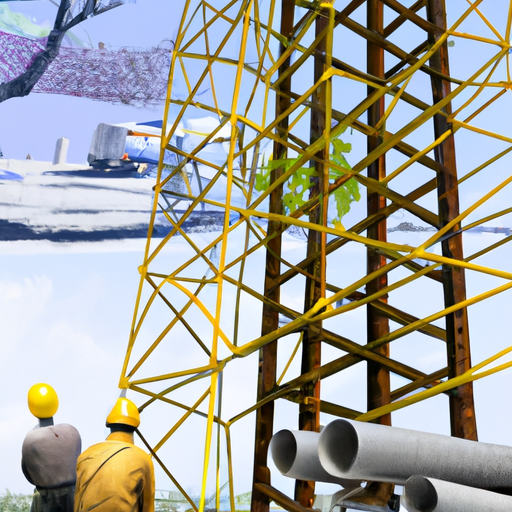
As urban areas continue to expand and evolve, the demand for sustainable materials in infrastructure projects has never been more pressing. Advanced composites, a class of materials that combine two or more constituent materials to achieve superior properties, are emerging as a pivotal solution in this context. These materials not only offer enhanced performance characteristics but also align with the growing emphasis on sustainability in construction and urban development.
One of the most significant advantages of advanced composites is their lightweight nature. Traditional construction materials, such as steel and concrete, are often heavy and require substantial energy for transportation and installation. In contrast, advanced composites can significantly reduce the overall weight of structures, leading to lower transportation costs and reduced energy consumption during construction. This reduction in weight also allows for innovative design possibilities, enabling architects and engineers to create more complex and aesthetically pleasing structures without compromising safety or durability.
Moreover, advanced composites exhibit remarkable resistance to environmental factors, such as corrosion and weathering. This durability translates into longer lifespans for infrastructure projects, which is particularly crucial in urban settings where maintenance can be both costly and disruptive. For instance, bridges and buildings constructed with advanced composite materials can withstand harsh conditions, reducing the frequency of repairs and replacements. Consequently, this longevity not only minimizes the environmental impact associated with frequent renovations but also contributes to the overall sustainability of urban infrastructure.
In addition to their durability, advanced composites can be engineered to incorporate recycled materials, further enhancing their sustainability profile. The integration of recycled fibers or resins into composite materials not only reduces waste but also lowers the carbon footprint associated with the production of new materials. As cities strive to meet ambitious sustainability goals, the use of recycled content in construction materials becomes increasingly important. By adopting advanced composites, urban planners and developers can contribute to a circular economy, where materials are reused and repurposed rather than discarded.
Furthermore, the versatility of advanced composites allows for their application in a wide range of urban infrastructure projects. From transportation systems, such as lightweight rail and bus structures, to energy-efficient buildings and smart city technologies, these materials can be tailored to meet specific project requirements. This adaptability is particularly valuable in urban environments, where space is often limited, and innovative solutions are necessary to address complex challenges.
As cities grapple with the impacts of climate change, the role of advanced composites in urban infrastructure becomes even more critical. These materials can contribute to the resilience of urban areas by enabling the construction of structures that can withstand extreme weather events. For example, composite materials can be used in flood-resistant designs or in the reinforcement of existing structures to enhance their ability to endure seismic activity. By investing in advanced composites, urban planners can create infrastructure that not only meets current needs but is also prepared for future challenges.
In conclusion, the integration of advanced composites into urban infrastructure projects represents a significant step toward sustainable development. Their lightweight nature, durability, and potential for incorporating recycled materials make them an ideal choice for modern construction. As cities continue to grow and face environmental challenges, the adoption of these innovative materials will be essential in creating resilient, efficient, and sustainable urban environments. By embracing advanced composites, urban planners and developers can pave the way for a more sustainable future, ensuring that infrastructure not only serves the present but also protects the future.
Enhancing Structural Integrity: Advanced Composites in Bridge Construction
In the realm of urban infrastructure, the integration of advanced composites in bridge construction is revolutionizing the way engineers approach structural integrity. As cities expand and the demand for robust transportation networks increases, traditional materials like steel and concrete are often found wanting in terms of durability and maintenance. This is where advanced composites, characterized by their lightweight yet high-strength properties, come into play, offering innovative solutions that not only enhance the longevity of bridges but also improve their overall performance.
One of the most significant advantages of advanced composites is their resistance to environmental degradation. Unlike conventional materials that can corrode or deteriorate over time due to exposure to moisture, chemicals, and temperature fluctuations, composites are engineered to withstand harsh conditions. This resilience is particularly crucial in urban settings where bridges are subjected to heavy traffic loads and environmental stressors. For instance, fiber-reinforced polymers (FRPs) have emerged as a popular choice for bridge components, as they can effectively resist corrosion and fatigue, thereby reducing the need for frequent repairs and maintenance.
Moreover, the lightweight nature of advanced composites allows for more efficient construction processes. Traditional bridge materials often require extensive support structures during installation, which can complicate logistics and increase costs. In contrast, the reduced weight of composite materials enables easier handling and quicker assembly, leading to shorter construction timelines. This efficiency is particularly beneficial in urban areas where minimizing disruption is paramount. By streamlining the construction process, cities can maintain traffic flow and reduce the impact on local communities, ultimately enhancing public satisfaction with infrastructure projects.
In addition to their practical benefits, advanced composites also offer significant design flexibility. Engineers can mold these materials into complex shapes and configurations that would be challenging or impossible with traditional materials. This capability not only allows for more aesthetically pleasing designs but also enables the creation of structures that can better distribute loads and resist dynamic forces, such as those generated by earthquakes or high winds. As a result, bridges constructed with advanced composites can achieve higher performance standards, ensuring safety and reliability for users.
Furthermore, the sustainability aspect of advanced composites cannot be overlooked. As urban centers grapple with the challenges of climate change and resource depletion, the construction industry is increasingly focused on reducing its environmental footprint. Many advanced composite materials are designed to be recyclable or made from renewable resources, aligning with global sustainability goals. By incorporating these materials into bridge construction, cities can not only enhance structural integrity but also contribute to a greener future.
As the field of materials science continues to evolve, ongoing research and development are likely to yield even more advanced composite solutions tailored for urban infrastructure. Innovations such as self-healing materials and smart composites that can monitor structural health in real-time are on the horizon, promising to further enhance the safety and longevity of bridges. In this context, the adoption of advanced composites in bridge construction represents not just a trend but a fundamental shift in how urban infrastructure is designed and built.
In conclusion, the integration of advanced composites in bridge construction is a game-changer for urban infrastructure projects. By enhancing structural integrity, improving construction efficiency, offering design flexibility, and promoting sustainability, these materials are setting new standards for what is possible in the realm of civil engineering. As cities continue to grow and evolve, the role of advanced composites will undoubtedly become increasingly vital in shaping resilient and sustainable urban landscapes.
Cost-Effectiveness: The Economic Benefits of Using Advanced Composites in Urban Development
As urban areas continue to expand and evolve, the demand for innovative materials that can withstand the rigors of modern infrastructure projects has never been greater. Among these materials, advanced composites have emerged as a game-changer, offering a unique blend of strength, durability, and lightweight properties that traditional materials often lack. The economic benefits of utilizing advanced composites in urban development are becoming increasingly evident, as cities seek to balance cost-effectiveness with sustainability and resilience.
One of the most compelling advantages of advanced composites is their ability to reduce overall project costs. While the initial investment in these materials may be higher than conventional options, the long-term savings can be substantial. For instance, advanced composites are known for their resistance to corrosion and environmental degradation, which translates to lower maintenance costs over the lifespan of a structure. This durability means that urban planners and developers can allocate resources more efficiently, focusing on new projects rather than ongoing repairs and replacements.
Moreover, the lightweight nature of advanced composites allows for easier handling and installation, which can significantly reduce labor costs. In urban environments where space is often limited, the ability to transport and install materials quickly can expedite project timelines. This efficiency not only saves money but also minimizes disruptions to the surrounding community, a crucial consideration in densely populated areas. As a result, the economic benefits extend beyond mere material costs, encompassing the entire project lifecycle.
In addition to direct cost savings, advanced composites contribute to energy efficiency in urban infrastructure. Structures built with these materials often require less energy for heating and cooling, leading to lower utility bills for building owners and occupants. This energy efficiency is particularly important in urban settings, where energy consumption is a significant concern. By integrating advanced composites into building designs, cities can promote sustainability while simultaneously reducing operational costs, creating a win-win scenario for both developers and the environment.
Furthermore, the use of advanced composites can enhance the overall value of urban properties. As cities strive to attract businesses and residents, the quality and longevity of infrastructure play a pivotal role in their appeal. Buildings and structures that incorporate advanced composites are often viewed as more modern and innovative, which can increase their market value. This perception can lead to higher rental rates and property values, ultimately benefiting investors and the local economy.
Transitioning to the broader implications, the adoption of advanced composites in urban infrastructure also aligns with global sustainability goals. As cities grapple with the challenges of climate change and resource scarcity, the shift towards more sustainable building materials is essential. Advanced composites not only reduce the carbon footprint associated with traditional construction methods but also promote the use of recycled materials, further enhancing their environmental credentials. This alignment with sustainability initiatives can attract funding and support from government and private sectors, amplifying the economic benefits of these materials.
In conclusion, the economic advantages of using advanced composites in urban development are multifaceted, encompassing cost savings, energy efficiency, enhanced property values, and alignment with sustainability goals. As cities continue to grow and face new challenges, the integration of advanced composites into infrastructure projects represents a forward-thinking approach that not only addresses immediate economic concerns but also lays the groundwork for a more resilient and sustainable urban future. By embracing these innovative materials, urban planners and developers can ensure that their projects are not only cost-effective but also capable of meeting the demands of a rapidly changing world.Advanced composites play a crucial role in enhancing the durability, sustainability, and efficiency of urban infrastructure projects. Their lightweight yet strong properties allow for innovative designs and reduced material usage, leading to cost savings and lower environmental impact. Additionally, the corrosion resistance and longevity of advanced composites contribute to reduced maintenance needs and extended service life of structures. As urban areas continue to grow and face challenges such as climate change and resource scarcity, the integration of advanced composites in infrastructure development will be essential for creating resilient, sustainable, and efficient urban environments.







One comment
explore pottery collections
Thanks for the insight, really opened eyes.