
-
Table of Contents
The construction sector is increasingly adopting lightweight reinforcements as a transformative solution to enhance structural integrity while reducing overall material weight. This shift is driven by the need for more efficient building practices, sustainability, and cost-effectiveness. Lightweight reinforcements, such as advanced composites and innovative steel alternatives, offer significant advantages, including improved durability, ease of handling, and reduced transportation costs. As the industry seeks to meet the demands of modern architecture and engineering, the integration of these materials is paving the way for more resilient and environmentally friendly construction methods.
Benefits of Lightweight Reinforcements in Modern Construction
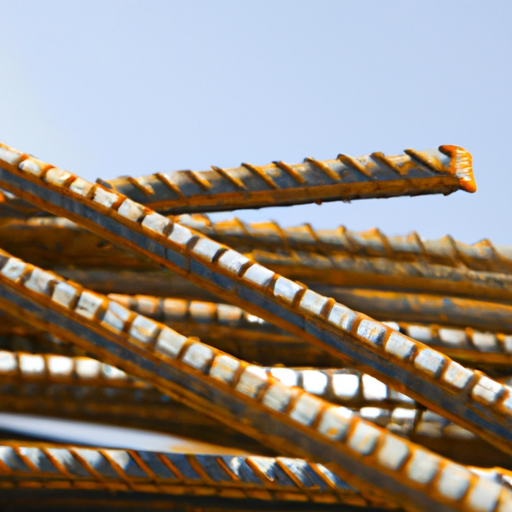
In recent years, the construction sector has witnessed a significant shift towards the adoption of lightweight reinforcements, a trend that is reshaping the landscape of modern building practices. This innovative approach offers a multitude of benefits that not only enhance structural integrity but also contribute to sustainability and cost-effectiveness. As the industry grapples with the challenges of urbanization and environmental concerns, lightweight reinforcements emerge as a viable solution that addresses these pressing issues.
One of the most compelling advantages of lightweight reinforcements is their ability to reduce the overall weight of structures. Traditional materials, while effective, often add considerable mass to buildings, which can lead to increased foundation costs and complex engineering challenges. In contrast, lightweight reinforcements, such as fiber-reinforced polymers and advanced composites, provide the necessary strength without the added bulk. This reduction in weight not only simplifies the design process but also allows for greater flexibility in architectural creativity, enabling engineers and architects to explore innovative designs that were previously deemed impractical.
Moreover, the use of lightweight materials can significantly enhance the speed of construction. With lighter components, the logistics of transporting and handling materials on-site become more manageable. This efficiency translates into shorter project timelines, allowing contractors to meet deadlines and reduce labor costs. As a result, developers can capitalize on faster return on investment, making lightweight reinforcements an attractive option for both residential and commercial projects.
In addition to improving construction efficiency, lightweight reinforcements also play a crucial role in enhancing the sustainability of building practices. As the construction industry faces increasing scrutiny over its environmental impact, the shift towards lighter materials aligns with global efforts to reduce carbon footprints. Lightweight reinforcements often require less energy to produce and transport, leading to lower greenhouse gas emissions throughout their lifecycle. Furthermore, many of these materials are recyclable, contributing to a circular economy that minimizes waste and promotes resource conservation.
Another significant benefit of lightweight reinforcements is their resistance to environmental factors. Traditional materials can be susceptible to corrosion, decay, and other forms of degradation over time, necessitating costly maintenance and repairs. In contrast, lightweight reinforcements are often engineered to withstand harsh conditions, including moisture, chemicals, and extreme temperatures. This durability not only extends the lifespan of structures but also reduces the long-term costs associated with upkeep, making them a wise investment for property owners.
As the construction sector continues to evolve, the integration of lightweight reinforcements is becoming increasingly prevalent. Industry leaders are recognizing the importance of adopting innovative materials that not only meet structural requirements but also align with modern sustainability goals. The benefits of lightweight reinforcements extend beyond mere practicality; they represent a paradigm shift in how buildings are conceived, designed, and constructed.
In conclusion, the embrace of lightweight reinforcements in modern construction signifies a transformative movement towards more efficient, sustainable, and resilient building practices. As the industry adapts to the demands of a rapidly changing world, these materials offer a promising pathway to achieving both economic and environmental objectives. With their myriad advantages, lightweight reinforcements are poised to play a pivotal role in shaping the future of construction, ensuring that it meets the needs of today while safeguarding the resources of tomorrow.
Innovations in Lightweight Reinforcement Materials
The construction sector is undergoing a significant transformation as it increasingly embraces lightweight reinforcement materials, a shift that promises to enhance structural integrity while reducing overall project costs. Innovations in this area are not only reshaping the way buildings are designed and constructed but also addressing pressing concerns related to sustainability and efficiency. As the demand for more resilient and eco-friendly structures grows, the industry is turning to advanced materials that offer both strength and reduced weight.
One of the most notable advancements in lightweight reinforcement is the development of fiber-reinforced polymers (FRP). These materials, which combine high-strength fibers with a polymer matrix, provide an excellent alternative to traditional steel reinforcements. FRP is not only lighter but also resistant to corrosion, which significantly extends the lifespan of structures. This durability is particularly advantageous in environments prone to moisture and chemical exposure, where steel reinforcements would typically suffer from degradation. As a result, engineers and architects are increasingly incorporating FRP into their designs, recognizing its potential to enhance the longevity and safety of buildings.
In addition to FRP, another innovative material gaining traction is the use of ultra-high-performance concrete (UHPC). This advanced concrete formulation boasts exceptional strength and durability, allowing for thinner structural elements without compromising performance. By utilizing UHPC, construction projects can achieve significant weight reductions, which in turn leads to lower material costs and reduced transportation expenses. Moreover, the ability to create slender, aesthetically pleasing designs without sacrificing structural integrity is appealing to architects seeking to push the boundaries of modern design.
Transitioning from traditional materials to these innovative lightweight reinforcements also aligns with the construction industry’s growing commitment to sustainability. As environmental concerns become more pressing, the need for materials that minimize resource consumption and waste is paramount. Lightweight reinforcements not only reduce the amount of material needed for construction but also lower the energy required for transportation and installation. This shift towards more sustainable practices is further supported by the increasing availability of recycled and bio-based materials, which can be integrated into lightweight reinforcement solutions.
Furthermore, the integration of advanced technologies such as 3D printing and digital fabrication is revolutionizing the way lightweight reinforcements are produced and utilized. These technologies enable the creation of complex geometries and customized reinforcement solutions that were previously unattainable. By leveraging these innovations, construction professionals can optimize material usage and enhance the performance of structures, ultimately leading to safer and more efficient buildings.
As the construction sector continues to evolve, the adoption of lightweight reinforcement materials is becoming a defining trend. The benefits of these innovations extend beyond mere weight reduction; they encompass improved structural performance, enhanced durability, and a commitment to sustainability. Industry leaders are recognizing that embracing these materials not only meets the demands of modern construction but also positions them favorably in a competitive market increasingly focused on innovation and environmental responsibility.
In conclusion, the shift towards lightweight reinforcement materials represents a pivotal moment in the construction industry. As engineers and architects explore the potential of FRP, UHPC, and advanced manufacturing techniques, they are not only redefining structural possibilities but also paving the way for a more sustainable future. The ongoing innovations in this field will undoubtedly continue to shape the landscape of construction, making it imperative for industry stakeholders to stay informed and adaptable in the face of these exciting developments.
Case Studies: Successful Implementation of Lightweight Reinforcements in Construction Projects
In recent years, the construction sector has witnessed a significant shift towards the adoption of lightweight reinforcements, a trend that has been driven by the need for efficiency, sustainability, and cost-effectiveness. This innovative approach has been successfully implemented in various projects, showcasing its potential to revolutionize traditional construction methods. One notable example is the use of lightweight concrete in the construction of high-rise buildings. In a landmark project in Dubai, engineers opted for a lightweight concrete mix that incorporated expanded polystyrene beads. This decision not only reduced the overall weight of the structure but also enhanced its thermal insulation properties. As a result, the building achieved significant energy savings, demonstrating how lightweight reinforcements can contribute to both environmental sustainability and economic viability.
Moreover, the integration of lightweight reinforcements has proven beneficial in bridge construction. A case study involving a pedestrian bridge in a busy urban area highlighted the advantages of using fiber-reinforced polymer (FRP) materials. The lightweight nature of FRP allowed for easier handling and installation, minimizing disruption to the surrounding environment. Additionally, the bridge’s design incorporated a unique arch structure that utilized these lightweight materials, resulting in a visually striking yet structurally sound solution. This project not only exemplified the practical benefits of lightweight reinforcements but also underscored their aesthetic potential, appealing to both engineers and architects alike.
Transitioning to infrastructure projects, the implementation of lightweight reinforcements has also been observed in the construction of retaining walls. A recent project in a coastal region faced challenges due to soil instability and high water tables. Engineers turned to geosynthetic materials, which are lighter than traditional concrete and offer superior drainage capabilities. By utilizing these materials, the project team was able to create a robust retaining wall that effectively managed soil pressure while minimizing the risk of erosion. This case illustrates how lightweight reinforcements can address specific site challenges, ultimately leading to safer and more durable structures.
In addition to these examples, the residential sector has also embraced lightweight reinforcements, particularly in the construction of modular homes. A pioneering project in a suburban area showcased the use of lightweight steel framing, which allowed for quicker assembly and reduced labor costs. The modular design not only facilitated faster construction timelines but also provided homeowners with customizable options, enhancing the appeal of the final product. This case study highlights how lightweight reinforcements can cater to the growing demand for efficient and adaptable housing solutions.
Furthermore, the trend towards lightweight reinforcements is not limited to new constructions; it is also making waves in renovation projects. A recent refurbishment of an aging commercial building involved the use of lightweight insulation materials that improved energy efficiency without compromising structural integrity. This approach not only extended the building’s lifespan but also aligned with modern sustainability goals, demonstrating that lightweight reinforcements can play a crucial role in retrofitting existing structures.
As the construction sector continues to evolve, the successful implementation of lightweight reinforcements in these diverse projects serves as a testament to their versatility and effectiveness. By embracing these innovative materials, the industry is not only enhancing structural performance but also paving the way for a more sustainable future. The case studies presented illustrate that lightweight reinforcements are not merely a trend; they represent a fundamental shift in how construction projects are conceived and executed, ultimately leading to safer, more efficient, and environmentally friendly buildings.The construction sector’s embrace of lightweight reinforcements signifies a pivotal shift towards enhanced efficiency, sustainability, and innovation. By integrating these materials, the industry can achieve improved structural performance while reducing overall weight, leading to lower transportation costs and easier handling on-site. This trend not only supports the development of more resilient and durable structures but also aligns with the growing demand for eco-friendly building practices. As lightweight reinforcements continue to evolve, they are likely to play a crucial role in shaping the future of construction, driving advancements in design and engineering methodologies.







Add comment