
-
Table of Contents
Recent advancements in carbon fiber manufacturing technology have revolutionized the production processes, enhancing efficiency, reducing costs, and improving material properties. Innovations such as automated fiber placement, advanced resin systems, and sustainable production methods are enabling manufacturers to create lighter, stronger, and more versatile carbon fiber composites. These breakthroughs not only expand the applications of carbon fiber in industries like aerospace, automotive, and sports equipment but also contribute to more environmentally friendly practices by minimizing waste and energy consumption. As research continues to evolve, the future of carbon fiber manufacturing promises even greater performance and sustainability, positioning it as a key material in the transition to advanced engineering solutions.
Enhanced Production Techniques for Carbon Fiber
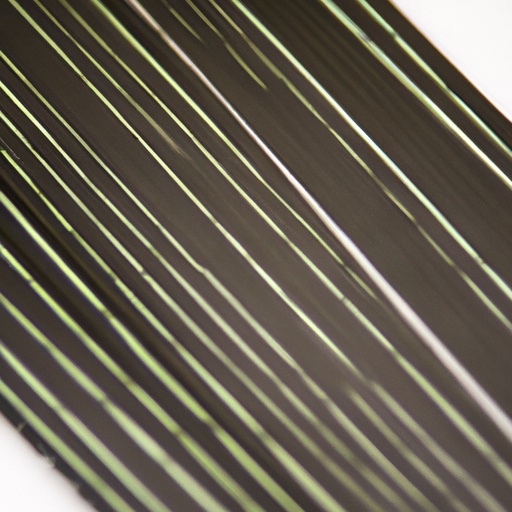
Recent advancements in carbon fiber manufacturing technology have ushered in a new era of enhanced production techniques, promising to revolutionize the industry. As demand for lightweight, high-strength materials continues to surge across various sectors, including aerospace, automotive, and sporting goods, manufacturers are increasingly focused on optimizing their processes to meet these needs. One of the most significant breakthroughs has been the development of advanced precursor materials, which serve as the foundation for carbon fiber production. Traditionally, polyacrylonitrile (PAN) has been the primary precursor, but researchers are now exploring alternative materials that can reduce costs and improve performance. For instance, lignin, a natural polymer derived from plant biomass, is gaining traction as a sustainable and cost-effective alternative. By utilizing lignin, manufacturers can not only lower production costs but also enhance the environmental sustainability of carbon fiber production.
In addition to innovative precursor materials, the introduction of automated manufacturing processes has significantly improved efficiency and consistency in carbon fiber production. Automation technologies, such as robotic weaving and advanced resin infusion systems, allow for greater precision and speed in the manufacturing process. This shift towards automation not only reduces labor costs but also minimizes human error, resulting in higher-quality products. Furthermore, the integration of artificial intelligence and machine learning into production lines enables manufacturers to optimize their processes in real-time, adjusting parameters to enhance yield and reduce waste. As a result, companies can produce carbon fiber at a scale and quality previously thought unattainable.
Moreover, advancements in curing techniques have also played a crucial role in enhancing carbon fiber production. Traditional curing methods often require lengthy processes that can slow down production times. However, new technologies, such as microwave curing and ultraviolet (UV) light curing, have emerged as faster alternatives. These methods significantly reduce curing times while maintaining the mechanical properties of the final product. By streamlining the curing process, manufacturers can increase throughput and respond more rapidly to market demands, ultimately leading to a more agile production environment.
Another noteworthy development in carbon fiber manufacturing is the focus on recycling and reusability. As the industry grapples with the environmental impact of carbon fiber waste, innovative recycling techniques are being explored to reclaim valuable materials from end-of-life products. Companies are investing in processes that can break down carbon fiber composites and recover the fibers for reuse, thereby closing the loop in the production cycle. This not only addresses sustainability concerns but also presents a new avenue for cost savings, as recycled materials can be less expensive than virgin fibers.
As these enhanced production techniques continue to evolve, the implications for various industries are profound. The automotive sector, for instance, stands to benefit significantly from lighter and stronger materials, which can lead to improved fuel efficiency and performance. Similarly, the aerospace industry is poised to leverage these advancements to create more efficient aircraft, ultimately reducing operational costs and environmental impact. In the realm of sporting goods, manufacturers can produce high-performance equipment that enhances athletic performance while maintaining durability.
In conclusion, the recent breakthroughs in carbon fiber manufacturing technology, particularly in enhanced production techniques, are setting the stage for a transformative shift in the industry. With a focus on sustainability, efficiency, and innovation, manufacturers are not only meeting the growing demand for high-performance materials but also paving the way for a more sustainable future. As these advancements continue to unfold, the potential applications and benefits of carbon fiber are bound to expand, solidifying its role as a cornerstone material in modern manufacturing.
Sustainable Materials in Carbon Fiber Manufacturing
In recent years, the push for sustainability has permeated various industries, and carbon fiber manufacturing is no exception. Traditionally, the production of carbon fiber has been associated with high energy consumption and significant environmental impact, primarily due to the reliance on petroleum-based precursors. However, innovative breakthroughs in manufacturing technology are paving the way for more sustainable practices, transforming the landscape of this vital material.
One of the most promising developments in sustainable carbon fiber manufacturing is the shift towards bio-based precursors. Researchers and companies are increasingly exploring the use of renewable resources, such as lignin, a natural polymer found in plant cell walls, as an alternative to traditional petroleum-derived materials. This transition not only reduces the carbon footprint associated with production but also aligns with global efforts to decrease reliance on fossil fuels. By harnessing the abundant supply of biomass, manufacturers can create a more circular economy, where waste materials are repurposed into high-value products.
Moreover, advancements in recycling technologies are further enhancing the sustainability of carbon fiber. Historically, the recycling of carbon fiber has been a challenging endeavor due to the material’s complex structure and the difficulty in separating it from its resin matrix. However, recent innovations have led to the development of processes that can effectively reclaim carbon fibers from end-of-life products. For instance, thermal and chemical recycling methods are being refined to recover high-quality fibers that can be reused in new applications. This not only minimizes waste but also reduces the need for virgin materials, thereby conserving resources and energy.
In addition to these advancements, the integration of digital technologies into the manufacturing process is also contributing to sustainability. The adoption of Industry 4.0 principles, including automation, data analytics, and artificial intelligence, allows manufacturers to optimize production efficiency and reduce energy consumption. By closely monitoring and controlling the manufacturing environment, companies can minimize waste and enhance the overall sustainability of their operations. This data-driven approach not only streamlines processes but also enables manufacturers to make informed decisions that align with environmental goals.
Furthermore, collaboration across the supply chain is becoming increasingly vital in promoting sustainable practices in carbon fiber manufacturing. Partnerships between material producers, manufacturers, and end-users are essential for developing and implementing sustainable solutions. For example, automotive and aerospace industries are actively seeking to incorporate more sustainable carbon fiber materials into their products, driving demand for greener manufacturing practices. This collaborative effort fosters innovation and accelerates the adoption of sustainable technologies, ultimately benefiting the entire industry.
As the demand for lightweight, high-performance materials continues to grow, the importance of sustainability in carbon fiber manufacturing cannot be overstated. The ongoing research and development in bio-based precursors, recycling technologies, and digital manufacturing processes are not only addressing environmental concerns but also enhancing the competitiveness of carbon fiber in various applications. By prioritizing sustainability, the industry is not only responding to consumer preferences but also contributing to a more sustainable future.
In conclusion, the breakthroughs in carbon fiber manufacturing technology are setting a new standard for sustainability. As the industry embraces innovative practices and collaborates across the supply chain, the potential for a greener future becomes increasingly attainable. The shift towards sustainable materials and processes is not merely a trend; it represents a fundamental transformation that will shape the future of carbon fiber manufacturing for years to come.
Innovations in Carbon Fiber Recycling Processes
Recent advancements in carbon fiber recycling processes are poised to revolutionize the industry, addressing both environmental concerns and the growing demand for sustainable materials. As the use of carbon fiber continues to expand across various sectors, including aerospace, automotive, and sports equipment, the challenge of managing end-of-life products has become increasingly pressing. Traditional disposal methods, such as landfilling or incineration, are not only wasteful but also detrimental to the environment. Consequently, researchers and companies are now focusing on innovative recycling techniques that promise to reclaim valuable materials while minimizing ecological impact.
One of the most significant breakthroughs in carbon fiber recycling is the development of chemical recycling methods. Unlike mechanical recycling, which often results in a loss of material properties, chemical recycling processes break down carbon fiber composites into their constituent parts. This allows for the recovery of both the carbon fibers and the resin, enabling the production of high-quality recycled materials. For instance, recent studies have demonstrated that using solvents to dissolve the resin can effectively free the carbon fibers, which can then be reused in new composite materials. This not only conserves resources but also reduces the carbon footprint associated with producing virgin carbon fiber.
Moreover, advancements in pyrolysis technology have emerged as a game-changer in the recycling landscape. Pyrolysis involves heating carbon fiber composites in an oxygen-free environment, which decomposes the resin and leaves behind pure carbon fibers. This method has gained traction due to its ability to process a wide range of composite materials, including those that are difficult to recycle through traditional means. As a result, companies are increasingly investing in pyrolysis facilities, recognizing the potential for both economic and environmental benefits. By converting waste into reusable materials, these facilities can help close the loop in the carbon fiber lifecycle, promoting a circular economy.
In addition to these chemical and thermal methods, innovative mechanical recycling techniques are also being explored. Researchers are experimenting with advanced grinding and milling processes that can produce high-quality recycled fibers from scrap materials. These mechanical methods are particularly appealing because they can be integrated into existing manufacturing processes, allowing for a seamless transition to more sustainable practices. By incorporating recycled fibers into new products, manufacturers can significantly reduce their reliance on virgin materials, thereby lowering production costs and environmental impact.
Furthermore, collaboration between industry stakeholders is playing a crucial role in advancing carbon fiber recycling technologies. Partnerships between manufacturers, research institutions, and recycling companies are fostering knowledge exchange and driving innovation. For example, initiatives aimed at standardizing recycling processes and developing industry-wide guidelines are essential for ensuring the quality and consistency of recycled materials. Such collaborative efforts not only enhance the feasibility of recycling but also encourage investment in new technologies.
As the carbon fiber industry continues to evolve, the importance of sustainable practices cannot be overstated. The innovations in carbon fiber recycling processes represent a significant step forward in addressing the environmental challenges associated with this high-performance material. By embracing these new technologies, the industry can not only reduce waste but also create a more sustainable future. As awareness of the need for responsible resource management grows, it is clear that the advancements in carbon fiber recycling will play a pivotal role in shaping the future of materials science and engineering. The path toward a circular economy is becoming increasingly viable, and the potential for recycled carbon fiber to become a mainstream material is on the horizon.Recent breakthroughs in carbon fiber manufacturing technology have significantly enhanced production efficiency, reduced costs, and improved material properties. Innovations such as advanced resin systems, automated fiber placement, and sustainable manufacturing processes are paving the way for broader applications across various industries, including aerospace, automotive, and renewable energy. These advancements not only promise to make carbon fiber more accessible but also contribute to the development of lighter, stronger, and more environmentally friendly materials, ultimately driving progress towards a more sustainable future.






Add comment