
-
Table of Contents
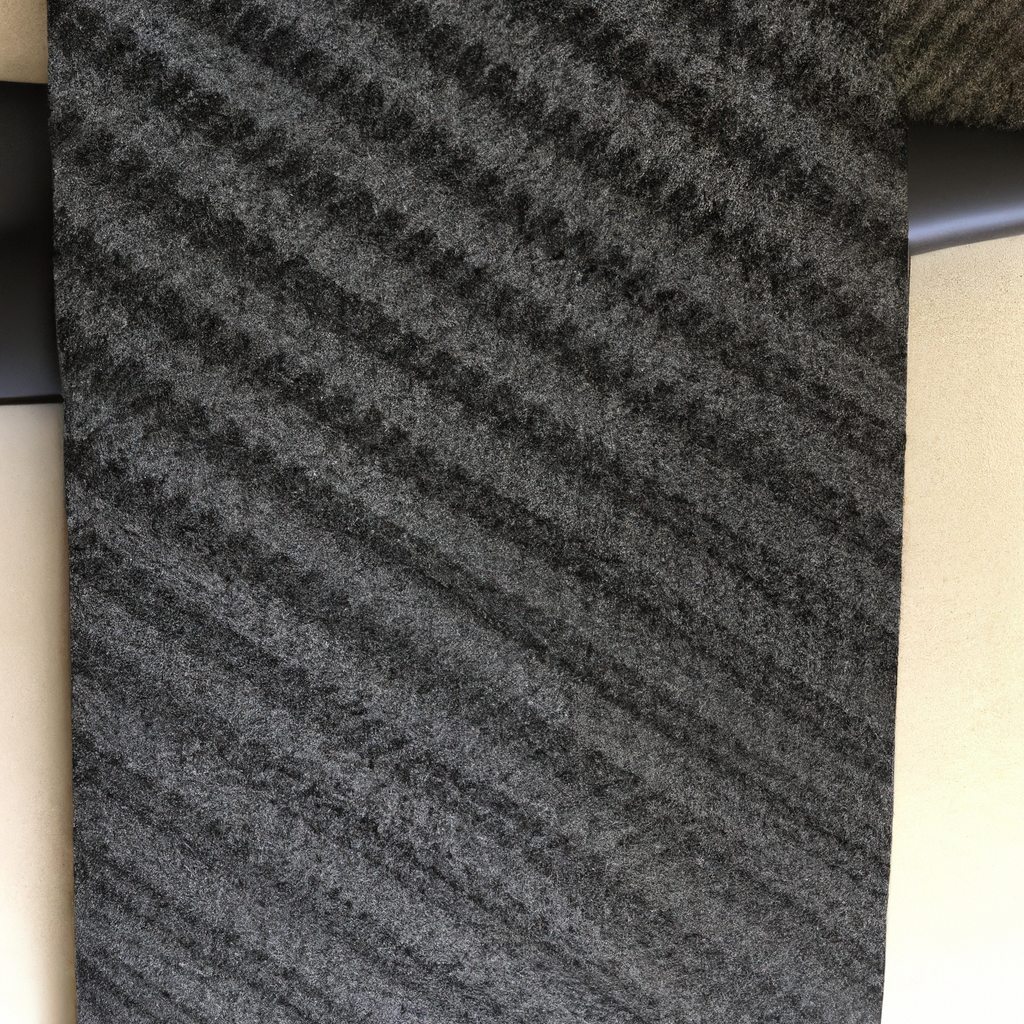
Carbon fiber fabrics are increasingly being utilized in drone and UAV (Unmanned Aerial Vehicle) applications due to their exceptional strength-to-weight ratio, rigidity, and resistance to environmental factors. These advanced materials enable manufacturers to create lightweight yet durable structures, enhancing flight performance, maneuverability, and energy efficiency. The use of carbon fiber fabrics also allows for greater design flexibility, enabling the production of complex shapes and components that can withstand the rigors of aerial operations. As the demand for high-performance drones continues to grow across various sectors, including military, commercial, and recreational, carbon fiber fabrics are becoming a critical component in the development of next-generation UAVs.
Advantages of Carbon Fiber Fabrics in Drone Design
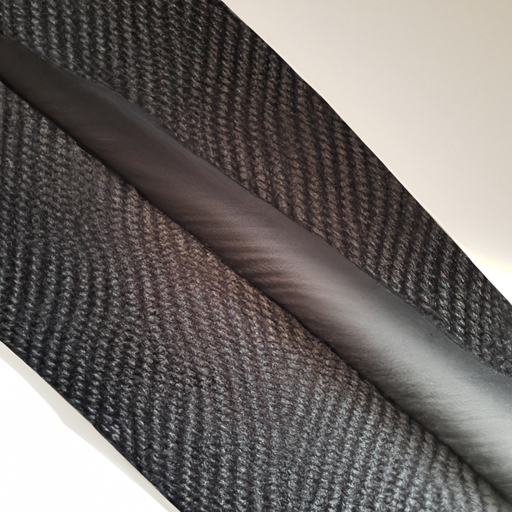
In the rapidly evolving world of drone and unmanned aerial vehicle (UAV) technology, the materials used in their construction play a pivotal role in determining performance, durability, and efficiency. Among these materials, carbon fiber fabrics have emerged as a game-changer, offering a multitude of advantages that are reshaping the landscape of drone design. The lightweight yet robust nature of carbon fiber allows manufacturers to create drones that are not only more efficient but also capable of carrying heavier payloads without compromising flight performance.
One of the most significant benefits of carbon fiber fabrics is their exceptional strength-to-weight ratio. This characteristic is particularly crucial in the aerospace industry, where every gram counts. By utilizing carbon fiber, drone manufacturers can significantly reduce the overall weight of their products, leading to improved flight times and enhanced maneuverability. As a result, drones can cover larger distances and operate for extended periods, making them ideal for various applications, from aerial photography to agricultural monitoring.
Moreover, carbon fiber fabrics exhibit remarkable stiffness, which contributes to the structural integrity of drones. This rigidity allows for the design of more aerodynamic shapes, further enhancing flight efficiency. When drones are designed with aerodynamics in mind, they can achieve higher speeds and better stability in turbulent conditions. This is particularly important for commercial applications, where reliability and performance are paramount. The ability to withstand harsh environmental conditions without warping or degrading over time is another advantage that carbon fiber brings to the table.
In addition to their mechanical properties, carbon fiber fabrics also offer significant advantages in terms of thermal stability. Drones often operate in varying temperature conditions, and materials that can withstand these fluctuations without losing their structural integrity are essential. Carbon fiber maintains its properties across a wide range of temperatures, ensuring that drones remain operational in diverse environments. This thermal resilience is particularly beneficial for military and surveillance applications, where drones may be deployed in extreme conditions.
Furthermore, the use of carbon fiber fabrics can lead to reduced manufacturing costs in the long run. While the initial investment in carbon fiber materials may be higher than traditional materials like aluminum or plastic, the durability and longevity of carbon fiber components can offset these costs. Drones made from carbon fiber are less likely to suffer from wear and tear, leading to lower maintenance costs and longer service life. This economic advantage is increasingly appealing to manufacturers looking to optimize their production processes while delivering high-quality products.
Another noteworthy aspect of carbon fiber fabrics is their versatility in design. The material can be molded into complex shapes, allowing for innovative designs that were previously unattainable with conventional materials. This flexibility opens up new possibilities for drone manufacturers, enabling them to create customized solutions tailored to specific operational needs. As the demand for specialized drones continues to grow, the ability to innovate and adapt designs quickly becomes a significant competitive advantage.
In conclusion, the advantages of carbon fiber fabrics in drone design are manifold, encompassing improved performance, durability, and cost-effectiveness. As the drone industry continues to expand, the integration of advanced materials like carbon fiber will undoubtedly play a crucial role in shaping the future of aerial technology. With their unique properties, carbon fiber fabrics not only enhance the capabilities of drones but also pave the way for new applications and innovations that will redefine what is possible in the skies.
The Role of Carbon Fiber in Enhancing UAV Performance
In the rapidly evolving world of unmanned aerial vehicles (UAVs) and drones, the quest for enhanced performance and efficiency has led to the increasing adoption of advanced materials. Among these, carbon fiber fabrics have emerged as a game-changer, significantly influencing the design and functionality of these aerial machines. The unique properties of carbon fiber, including its lightweight nature, high strength-to-weight ratio, and resistance to environmental factors, make it an ideal choice for manufacturers aiming to push the boundaries of UAV capabilities.
One of the most compelling advantages of carbon fiber is its ability to reduce the overall weight of UAVs without compromising structural integrity. This reduction in weight translates directly into improved flight performance, allowing drones to achieve higher speeds, longer flight times, and greater payload capacities. As UAV applications expand—from aerial photography and surveying to agricultural monitoring and search-and-rescue operations—the demand for lightweight yet robust materials becomes increasingly critical. By incorporating carbon fiber fabrics into their designs, manufacturers can create drones that not only perform better but also offer enhanced maneuverability and efficiency.
Moreover, the strength of carbon fiber contributes to the durability of UAVs, enabling them to withstand harsh environmental conditions. Drones often operate in challenging settings, from extreme temperatures to high winds and precipitation. Carbon fiber’s inherent resistance to corrosion and fatigue ensures that UAVs maintain their structural integrity over time, reducing maintenance costs and increasing operational reliability. This durability is particularly important for commercial applications, where downtime can lead to significant financial losses. As a result, the integration of carbon fiber fabrics into UAV construction is not merely a trend but a strategic move to enhance longevity and performance.
In addition to its mechanical properties, carbon fiber also offers design flexibility that is crucial for modern UAV applications. The material can be molded into complex shapes, allowing for innovative designs that optimize aerodynamics. This capability is particularly beneficial for specialized drones that require unique configurations to fulfill specific tasks. For instance, drones designed for agricultural use may need to incorporate features that allow for efficient crop monitoring, while those intended for surveillance might prioritize stealth and agility. By leveraging the versatility of carbon fiber, manufacturers can tailor their UAV designs to meet diverse operational requirements, ultimately leading to more effective and efficient aerial solutions.
Furthermore, the use of carbon fiber fabrics aligns with the growing emphasis on sustainability in the aerospace industry. As environmental concerns become more pressing, the push for lighter, more efficient UAVs is accompanied by a desire to reduce carbon footprints. Carbon fiber’s lightweight properties contribute to lower energy consumption during flight, which is a significant consideration for both commercial and recreational drone users. By adopting carbon fiber in their designs, manufacturers not only enhance performance but also contribute to a more sustainable future for aerial technology.
In conclusion, the role of carbon fiber fabrics in enhancing UAV performance cannot be overstated. From improving flight efficiency and durability to enabling innovative designs and promoting sustainability, carbon fiber is revolutionizing the drone industry. As technology continues to advance and the applications for UAVs expand, the integration of carbon fiber will likely become even more prevalent, setting new standards for performance and reliability in the skies. The future of drone technology is undoubtedly intertwined with the capabilities of this remarkable material, paving the way for a new era of aerial innovation.
Future Trends in Carbon Fiber Fabric Technology for Drones
As the demand for drones and unmanned aerial vehicles (UAVs) continues to surge across various industries, the materials used in their construction are evolving to meet the challenges of performance, weight, and durability. Among these materials, carbon fiber fabrics stand out due to their exceptional strength-to-weight ratio and versatility. Looking ahead, several trends in carbon fiber fabric technology are poised to shape the future of drone design and functionality.
One of the most significant trends is the ongoing development of advanced manufacturing techniques, particularly in the realm of automation. The integration of automated processes in the production of carbon fiber fabrics is expected to enhance precision and reduce costs. Techniques such as automated fiber placement (AFP) and automated tape laying (ATL) are gaining traction, allowing manufacturers to create complex shapes and structures with minimal waste. This shift not only streamlines production but also enables the creation of lightweight components that can significantly improve the overall efficiency of drones.
Moreover, the advent of 3D printing technology is revolutionizing the way carbon fiber composites are utilized in drone applications. By enabling the layer-by-layer construction of components, 3D printing allows for the incorporation of intricate designs that were previously unattainable with traditional manufacturing methods. This capability not only enhances the performance characteristics of drones but also opens the door to rapid prototyping, allowing engineers to test and iterate designs more quickly. As 3D printing continues to advance, it is likely that we will see an increase in the use of carbon fiber-reinforced filaments, further pushing the boundaries of what is possible in drone design.
In addition to manufacturing innovations, the development of new carbon fiber materials is also on the horizon. Researchers are exploring hybrid composites that combine carbon fiber with other materials, such as aramid or glass fibers, to create fabrics that offer enhanced properties. These hybrid materials can provide improved impact resistance, thermal stability, and even electromagnetic shielding, making them ideal for specific drone applications. As the industry seeks to optimize performance for various use cases, the ability to tailor material properties will become increasingly important.
Furthermore, sustainability is becoming a critical consideration in the development of carbon fiber fabrics. As environmental concerns grow, manufacturers are exploring bio-based resins and recycling methods to reduce the carbon footprint associated with carbon fiber production. Innovations in this area could lead to the creation of eco-friendly carbon fiber composites that maintain the high performance standards required for drone applications while addressing the pressing need for sustainable practices in manufacturing.
As the drone industry continues to expand into new sectors, such as agriculture, logistics, and surveillance, the demand for specialized carbon fiber fabrics will only increase. This trend will likely drive further research and development, leading to the emergence of fabrics tailored for specific operational environments. For instance, drones used in harsh weather conditions may require fabrics with enhanced moisture resistance or UV protection, while those designed for high-speed applications may prioritize aerodynamics and weight reduction.
In conclusion, the future of carbon fiber fabric technology in drone and UAV applications is poised for significant advancements. With innovations in manufacturing processes, material development, and sustainability practices, the potential for enhanced performance and functionality is vast. As these trends unfold, they will not only redefine the capabilities of drones but also contribute to the broader evolution of aerospace technology, paving the way for a new era of aerial innovation.Carbon fiber fabrics are increasingly being utilized in drone and UAV applications due to their exceptional strength-to-weight ratio, rigidity, and resistance to environmental factors. These properties enhance the performance, durability, and efficiency of drones, allowing for longer flight times and improved payload capacities. Additionally, the lightweight nature of carbon fiber contributes to energy savings and better maneuverability. As the demand for advanced aerial technologies continues to grow, the integration of carbon fiber fabrics in drone design is likely to expand, leading to more innovative and efficient UAV solutions.




Add comment