
-
Table of Contents
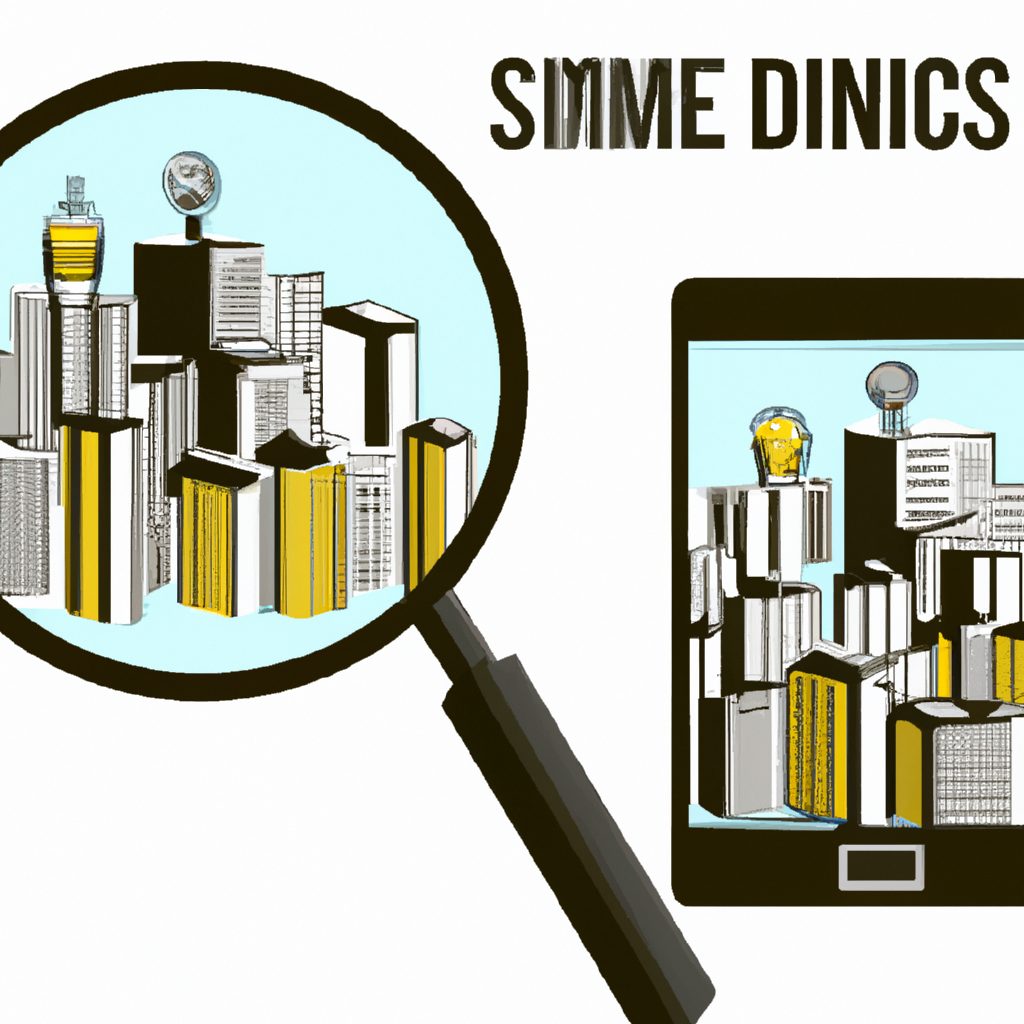
The rise of smart cities is reshaping urban landscapes, driving the demand for stronger and more resilient building materials. As cities integrate advanced technologies to enhance infrastructure, sustainability, and quality of life, the need for durable materials that can withstand environmental challenges and support innovative designs becomes paramount. These materials not only contribute to the longevity and safety of structures but also play a crucial role in energy efficiency and resource management. As urban populations grow and the complexities of city living increase, the construction industry must adapt by prioritizing high-performance materials that align with the vision of smart, sustainable urban environments.
Sustainable Materials for Smart City Infrastructure

As urban populations continue to swell, the concept of smart cities has emerged as a beacon of hope for sustainable urban development. These cities leverage technology to enhance the quality of life for their residents while minimizing environmental impact. However, the realization of smart city initiatives hinges significantly on the materials used in their infrastructure. As a result, there is an increasing demand for stronger, more sustainable building materials that can withstand the rigors of modern urban life while supporting the technological advancements that define smart cities.
The integration of technology into urban infrastructure necessitates materials that not only meet traditional performance standards but also align with sustainability goals. For instance, the use of recycled materials in construction is gaining traction, as it reduces waste and lowers the carbon footprint associated with new material production. Innovations in concrete, such as the incorporation of industrial byproducts like fly ash or slag, are becoming commonplace. These materials not only enhance the strength and durability of structures but also contribute to a circular economy by repurposing waste.
Moreover, the rise of smart cities has spurred interest in advanced materials that can adapt to changing environmental conditions. For example, self-healing concrete, which contains bacteria that can repair cracks autonomously, is a groundbreaking development that promises to extend the lifespan of infrastructure while reducing maintenance costs. This innovation is particularly relevant in urban areas where the constant wear and tear from traffic and weather can lead to significant structural degradation. By investing in such materials, cities can ensure that their infrastructure remains resilient and functional, even in the face of increasing challenges posed by climate change.
In addition to durability, the aesthetic appeal of building materials is also crucial in smart city design. Urban planners are increasingly recognizing that the visual aspects of infrastructure can significantly impact community engagement and pride. Sustainable materials that offer both strength and beauty, such as sustainably sourced timber or innovative composites, are being utilized to create visually striking buildings that harmonize with their surroundings. This approach not only enhances the urban landscape but also fosters a sense of belonging among residents, which is essential for the success of smart city initiatives.
Furthermore, the demand for sustainable materials is being driven by regulatory frameworks and public sentiment. Governments worldwide are implementing stricter building codes and sustainability standards, pushing developers to adopt greener practices. As citizens become more environmentally conscious, they are advocating for transparency and accountability in construction practices. This shift in public perception is compelling builders and architects to prioritize sustainable materials, thereby aligning their projects with the values of the communities they serve.
As smart cities continue to evolve, the emphasis on sustainable materials will only intensify. The interplay between technology and construction will lead to the development of innovative solutions that not only meet the demands of modern urban living but also contribute to a healthier planet. In this context, the construction industry must embrace a forward-thinking mindset, recognizing that the materials chosen today will shape the cities of tomorrow. By prioritizing sustainability and resilience, urban planners and builders can create infrastructures that not only support technological advancements but also foster vibrant, livable communities for generations to come. Ultimately, the future of smart cities will depend on the choices made today regarding the materials that form their very foundations.
The Role of Advanced Building Materials in Urban Resilience
As urban populations continue to swell, the concept of smart cities has emerged as a beacon of hope for sustainable development and efficient living. These cities leverage technology to enhance the quality of life for their residents while addressing the pressing challenges posed by rapid urbanization. However, the success of smart cities hinges not only on innovative technologies but also on the materials used to construct their infrastructure. Advanced building materials play a pivotal role in ensuring urban resilience, enabling cities to withstand environmental stresses and adapt to changing conditions.
In recent years, the demand for stronger and more durable building materials has surged, driven by the need for structures that can endure extreme weather events, seismic activity, and other potential hazards. Traditional materials often fall short in meeting these demands, leading to a growing interest in alternatives that offer enhanced performance. For instance, materials such as high-performance concrete, engineered wood, and advanced composites are gaining traction due to their superior strength-to-weight ratios and resistance to environmental degradation. These materials not only improve the longevity of buildings but also reduce maintenance costs, making them an attractive option for urban planners and developers.
Moreover, the integration of smart technologies into building materials is revolutionizing the construction industry. Smart materials, which can respond to environmental changes, are becoming increasingly popular in urban design. For example, self-healing concrete can repair its own cracks, significantly extending the lifespan of structures and reducing the need for costly repairs. Similarly, phase-changing materials can regulate indoor temperatures by absorbing and releasing heat, thereby enhancing energy efficiency. As cities strive to reduce their carbon footprints, the adoption of such innovative materials is essential for creating sustainable urban environments.
In addition to their physical properties, advanced building materials contribute to the overall resilience of urban areas by promoting safety and security. For instance, materials that are resistant to fire, flooding, and other natural disasters can protect lives and property, ensuring that cities can recover more swiftly from adverse events. This resilience is particularly crucial in the context of climate change, where the frequency and intensity of extreme weather events are on the rise. By investing in stronger building materials, cities can not only safeguard their infrastructure but also instill confidence in their residents, fostering a sense of community and stability.
Furthermore, the role of advanced building materials extends beyond individual structures; they are integral to the development of entire neighborhoods and urban ecosystems. For example, the use of permeable pavements can mitigate urban flooding by allowing rainwater to infiltrate the ground, reducing runoff and enhancing groundwater recharge. Similarly, green roofs and walls made from sustainable materials can improve air quality and promote biodiversity in densely populated areas. These holistic approaches to urban design underscore the importance of selecting the right materials to create resilient, livable cities.
In conclusion, as the demand for smart cities continues to grow, the role of advanced building materials in urban resilience cannot be overstated. These materials not only enhance the durability and safety of structures but also contribute to the sustainability and livability of urban environments. By embracing innovative building solutions, cities can better prepare for the challenges of the future, ensuring that they remain vibrant and resilient in the face of change. As urban planners and developers look to the future, the integration of advanced materials will be a critical factor in shaping the cities of tomorrow.
Innovations in Building Materials for Smart City Development
As urban populations continue to swell, the concept of smart cities has emerged as a beacon of hope for sustainable and efficient urban living. These cities leverage technology to enhance the quality of life for their residents while minimizing environmental impact. However, the realization of smart city initiatives hinges not only on advanced technologies but also on the materials used in their construction. Innovations in building materials are becoming increasingly critical, as they must meet the demands of durability, sustainability, and adaptability that smart cities require.
One of the most significant trends in building materials is the rise of high-performance concrete. This innovative material is engineered to withstand extreme weather conditions, making it ideal for urban environments that face challenges such as flooding, heatwaves, and seismic activity. High-performance concrete incorporates advanced additives and fibers, enhancing its strength and longevity. As cities invest in infrastructure that can endure the rigors of climate change, the demand for such resilient materials is expected to surge.
In addition to concrete, the use of smart glass is gaining traction in the construction of smart buildings. This technology allows windows to adjust their tint based on sunlight exposure, thereby regulating indoor temperatures and reducing energy consumption. By integrating smart glass into building designs, architects can create structures that not only look modern but also contribute to energy efficiency. This innovation aligns perfectly with the goals of smart cities, which prioritize sustainability and reduced carbon footprints.
Moreover, the development of self-healing materials is revolutionizing the way buildings are maintained. These materials contain microcapsules filled with healing agents that are released when cracks form, effectively repairing damage without the need for extensive renovations. This innovation not only extends the lifespan of buildings but also reduces maintenance costs and resource consumption. As smart cities strive for efficiency, the adoption of self-healing materials could become a standard practice, ensuring that urban infrastructure remains robust and functional.
Another noteworthy advancement is the use of recycled and upcycled materials in construction. As the push for sustainability intensifies, builders are increasingly turning to materials that minimize waste and reduce the demand for new resources. For instance, reclaimed wood, recycled steel, and even repurposed plastics are being integrated into new structures. This not only lessens the environmental impact of construction but also supports the circular economy, a key principle in the development of smart cities.
Furthermore, the integration of technology into building materials is paving the way for the creation of intelligent structures. Materials embedded with sensors can monitor various parameters such as temperature, humidity, and structural integrity in real-time. This data can be analyzed to optimize building performance and enhance safety. As smart cities evolve, the ability to gather and utilize data from building materials will be crucial in creating responsive urban environments that adapt to the needs of their inhabitants.
In conclusion, the innovations in building materials are not merely a response to the demands of smart city development; they are integral to its success. As cities around the world embrace the smart city model, the focus on durable, sustainable, and intelligent materials will only intensify. The future of urban living hinges on these advancements, which promise to create resilient infrastructures capable of supporting the growing populations of tomorrow while safeguarding the environment. As we move forward, the collaboration between technology and material science will undoubtedly shape the landscapes of our cities, making them smarter, safer, and more sustainable.The rise of smart cities is significantly increasing the demand for stronger building materials, as these urban environments require infrastructure that can support advanced technologies, enhance sustainability, and ensure resilience against environmental challenges. As cities evolve to integrate smart solutions, the need for durable, high-performance materials becomes essential to meet the demands of safety, efficiency, and longevity in urban development.





One comment
Monica1546
https://shorturl.fm/d7Gy9